View recording (for registered participants).
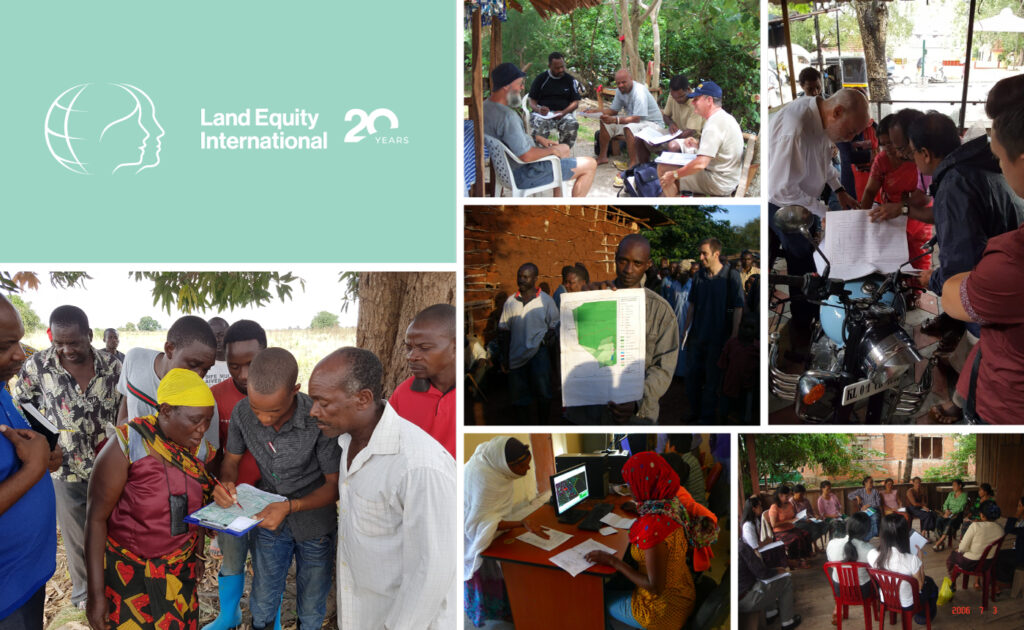
LEI has engaged in land projects for international development with the aim of helping to improve people’s access to tenure security, instigate equitable land and natural resource policies, and support stronger, more accountable, and efficient institutions for good land governance. We have applied our international knowledge and experience to hundreds of projects and the development of global tools to support decision making around land governance policies and investments.
Tony Burns, Executive Director, Business Development and one of the four founders of LEI, was our keynote speaker. He was joined by an expert panel made up of some of the world’s most experienced professionals active in researching, designing, and implementing land administration reform programs.
Tony’s keynote speech focused on the topic of his PhD thesis, a broad review of the experience and lessons of land administration reform over the past three decades, to fundamentally question the efficacy of reform interventions that are essentially economic and technical in their approach. Projects that are designed in this way have commonly drawn on a library of ‘templated’ best practices, but Tony contended that these practices have tended to underplay the ‘messy politics’ that are inherent in land governance, even when – and not surprisingly – these political forces have been powerful enough to undermine the implementation or erode the desired benefits of the reforms.
The experts on the panel responded to Tony’s keynote address, and his accompanying paper, from their perspectives as a development partner project designer, project implementer, country reform leader and land project and policy influencer. The sticky questions the considered were:
- Test whether the essential components of land administration reform projects adequately ‘think and work politically’,
- Ask, what are practical implications for defining, funding, implementing, and evaluating the reform outcomes of projects that adopt these principles and practices?
- And, whether we can achieve better reform outcomes for all of the stakeholders by investigating and incorporating this knowledge of the political economy into well-established procedures, protocols and timeframes for designing land administration reform?
We strongly believe that bringing this discussion to the public arena is an important contribution to future land administration projects that create secure tenure for all that is locally driven and sustainable.
Agenda
- Welcome
- Keynote: Presented by Tony Burns
- Panel Response
- Discussion
- Concluding Remarks
