The MRLG Project Hosts the 4th Mekong Regional Land Forum, celebrating 11 years of the Project
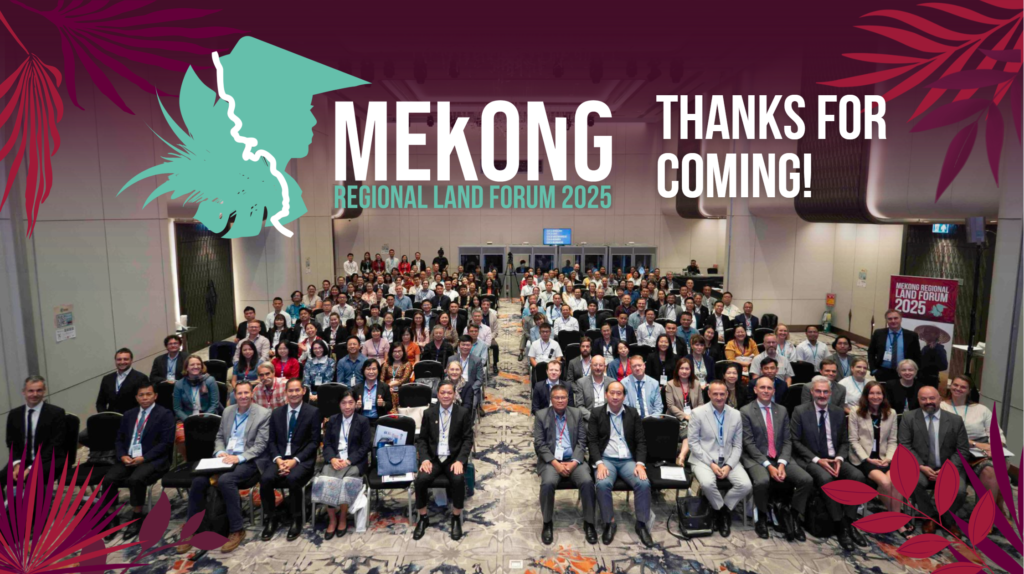
In September 2025, the 4th Mekong Regional Land Forum brought together more than 450 participants in person and online to reflect on the future of land governance in the Mekong region.
Land is the Link: Climate, Gender, Sustainable Change and the Future of Development
The world of land tenure and administration is also constantly evolving, influenced by political change, climate disruption, and technological evolution. Global official development assistance (ODA) fell in 2024 for the first time in five years, dropping by 7.1% as donor countries shifted their priorities inward and scaled back commitments. Although some countries – like Korea, […]
Working on Improving Land Registration with Lesotho’s Community Councils
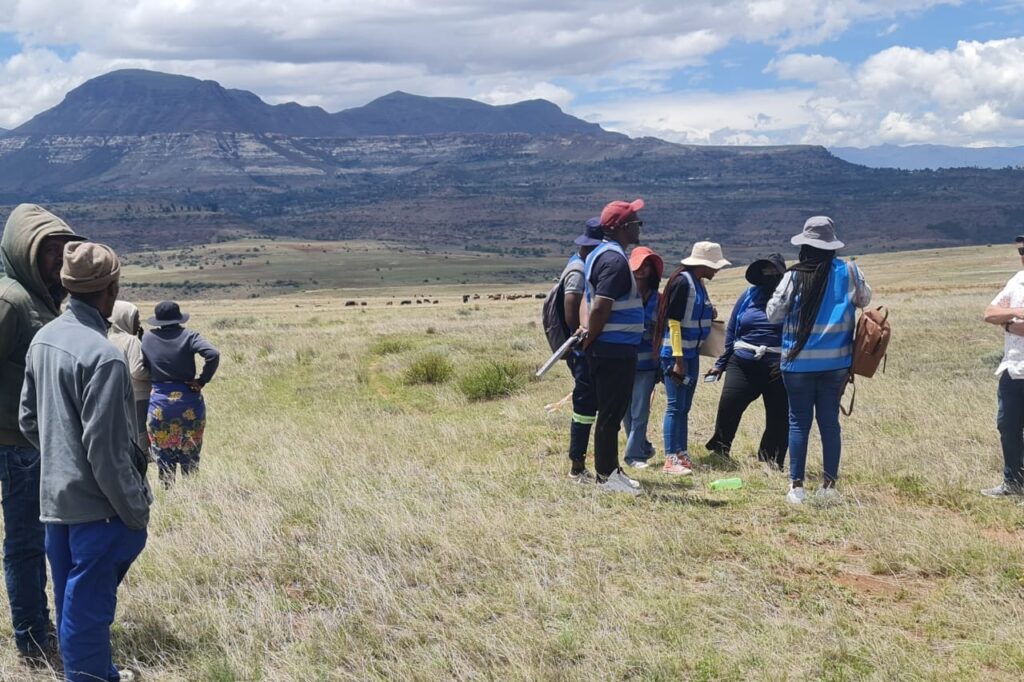
Good land registration is crucial for sustainable land management and securing land rights in Lesotho. It ensures clear ownership, resolves disputes, and protects tenure security. Overcoming challenges like women’s land rights and high registration costs can foster fairer, more transparent land systems.
Bringing Gender to the Forefront in Land Registration: Reflections from Lineo Rakaibe
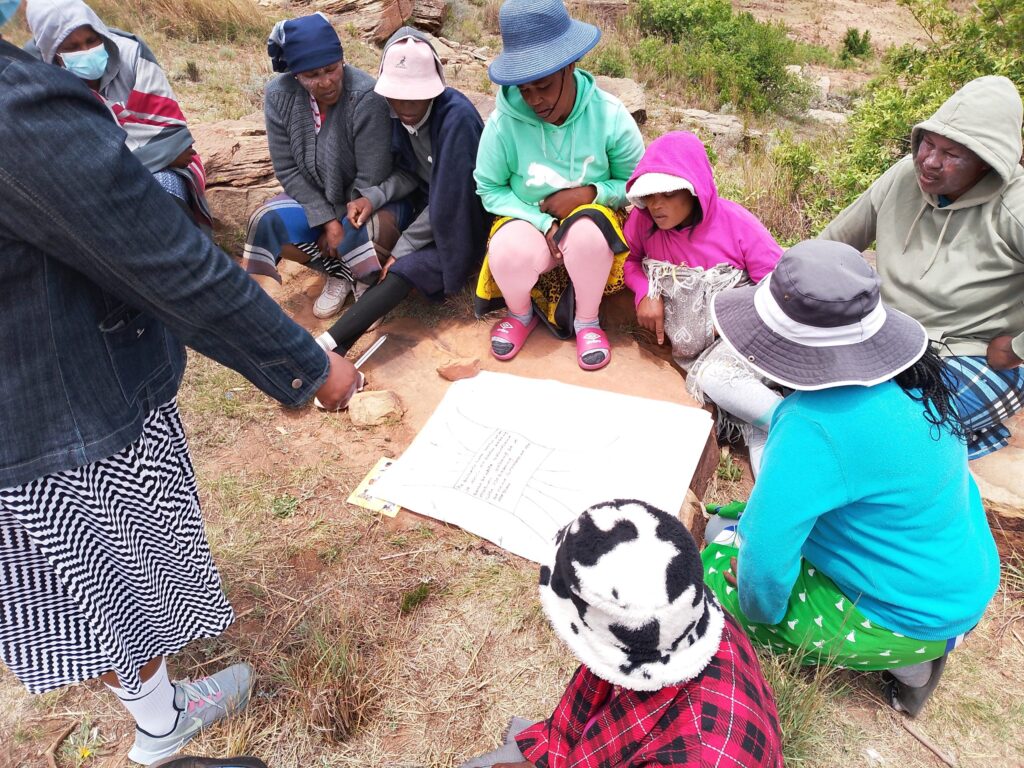
Lineo Rakaibe is a gender expert working with LEI in Lesotho. She writes from her previous experience as a District Gender Officer under the Ministry of Gender, Youth and Social Development, and more recently as a Senior Gender and Social Inclusion Expert on the Land and Gender consultancy, part of the Market Driven Irrigated Horticulture (MDIH) project, which falls under the Millenium Challenge Corporation Lesotho Compact.
Her Land: Landmark Publication Launched at the UNCCD COP16
Land Equity International was invited to contribute to the publication and interviewed Dr. Sochanny Hak (Dr Channy) and Dr Hue Le in an article titled ‘Giving voice to smallholder women farmers in the Mekong Region’ (pp 50-53). This article discusses the Mekong Region Land Governance (MRLG) project which over the past decade has had a […]
Message from the Managing Director
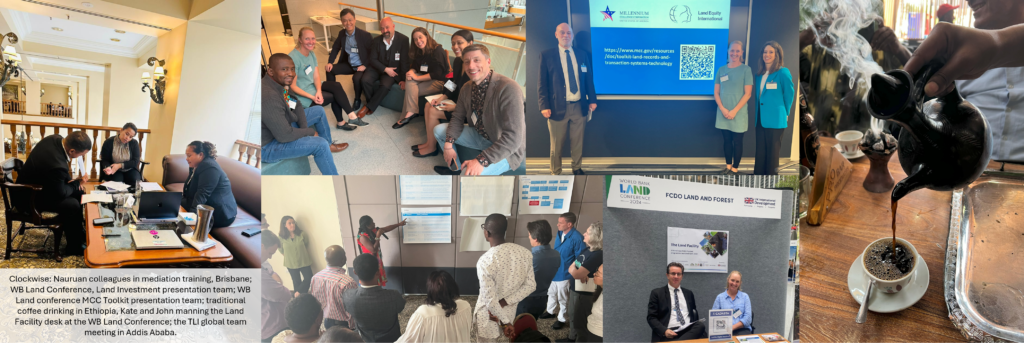
It has been a super productive and exciting time here at LEI over the past six months with tenders, international conferences and bigger still, project mobilisations. We won’t be enjoying long summer holidays like our northern partners but aiming for some crisp short winter-breaks down-under instead. The energy, the elation and warm hugs were really […]
“Welcome to the Mountain Kingdom” An Update on LEI Travel to Lesotho
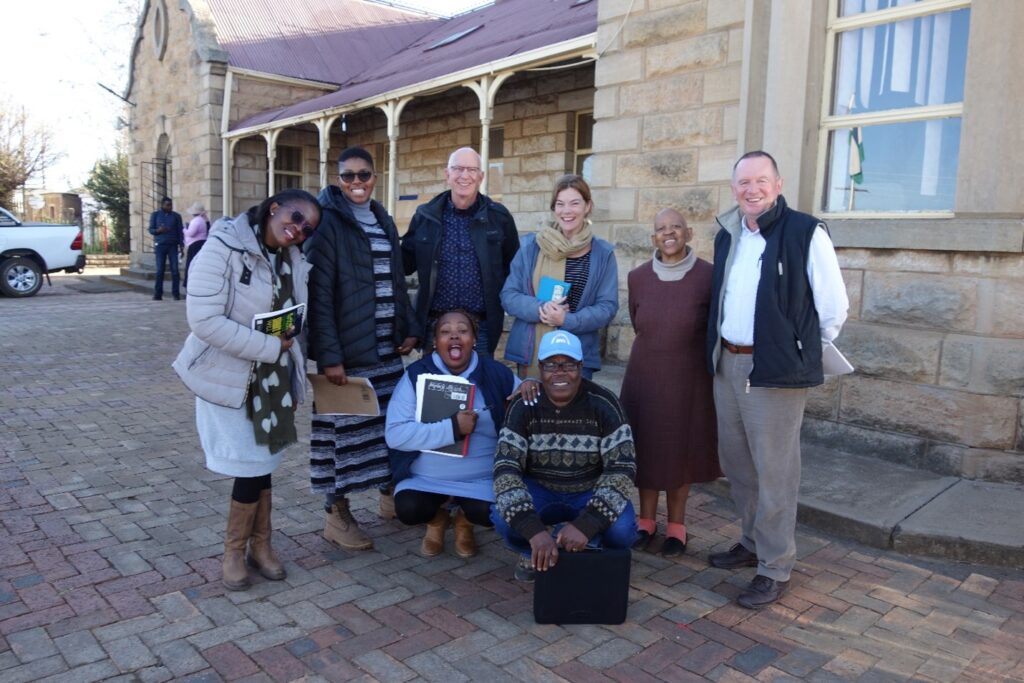
Why did three members of the LEI team travel to Lesotho in the last three months? Because we kicked off with our national and internationally staffed team, a five-year contract by the US-funded Millennium Challenge Corporation to support the modernisation of the Rural Land Registration System in Lesotho, with a particular emphasis on supporting the […]
Our Land Thoughts – Global Land Initiative Roundtable on Gender Issues in Post-Mining Land Restoration
5 billion ha globally are reported to be degraded – UN Global Land Outlook 2022 Global voluntary commitments to restore degraded land by 2030 have reached 1 billion ha – but these will take time. Every dollar invested in restoring degraded lands brings between $7-30 in economic returns $200billion financing flowed to Nature-based services (not […]
What’s gender got to do with the governance of land? A recap of the recent Land Portal-MRLG webinar on gender equitable land governance in the Mekong region
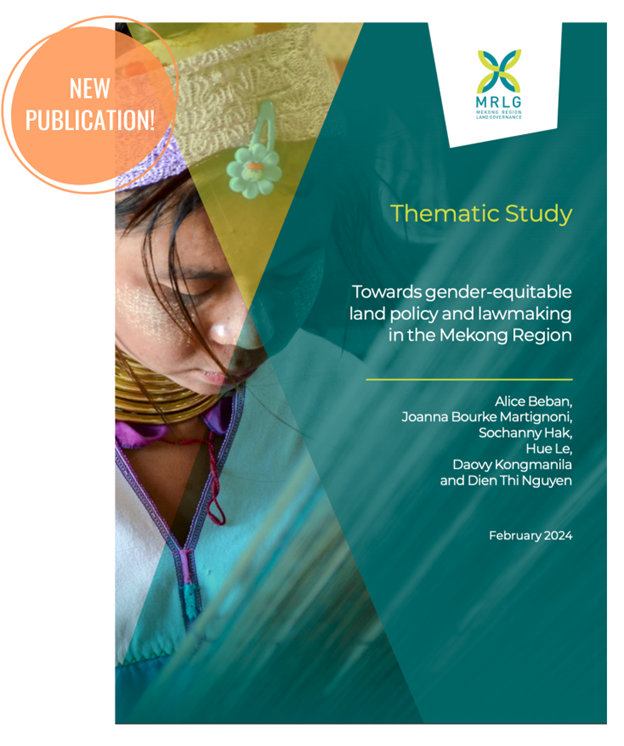
On Thursday 15 February, the Mekong Region Land Governance (MRLG) project and the Land Portal launched the first webinar in the State of Land in the Mekong series. The series, which will consist of three webinars across 2024 and 2025, aims to shine a spotlight on land issues in the Mekong region during a time of immense rural transformation.
MRLG is seeking an experienced and dynamic Grants Manager. Sound like you? Read on!
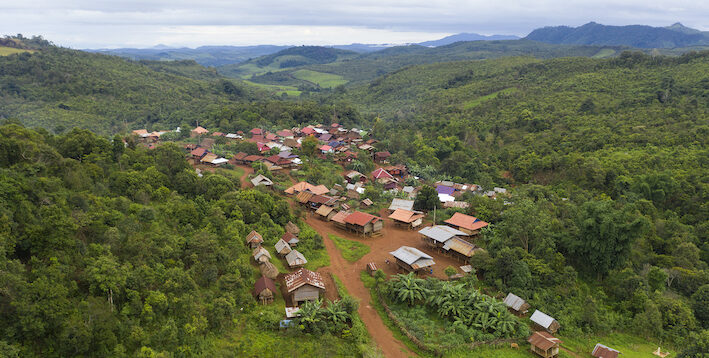
The Mekong Region Land Governance Project aims to improve land governance in four of the Mekong countries, by empowering local reform actors, building alliances, and supporting policy influencing activities. The Project takes a regional approach across Cambodia, Laos, Myanmar and Vietnam to support cross country learning and to facilitate and open up space for dialogue and alliance building. The Project has been designed to deliver the following key objective: Smallholder women and men farmers in CLMV countries, especially those belonging to ethnic minorities, have secure and equitable access to and control over agricultural land, forest and fisheries.
