Building Resilience and Awareness of Disasters to Urban Communities

Project details

Country

Client

Project Timeframe

Key Services

Project Key Information

Capacity building to prepare and protect communities from natural disasters and the impacts of climate change in Metro Manila.

Project Narrative

BRACE: Building Resilience and Awareness of Metro Manila Communities to Natural Disaster and Climate Change Impacts Program.

The purpose of the project BRACE, was to prepare and protect communities in metro Manila from natural disasters and the impacts of climate change. The project was supported by a preparatory phase to provide capacity building and start some of the key processes. During the early phase it was important to build cooperation with stakeholders based on sound information and establishing practical networks and it was equally important to avoid assuming that past solutions were still the best.

Key services provided

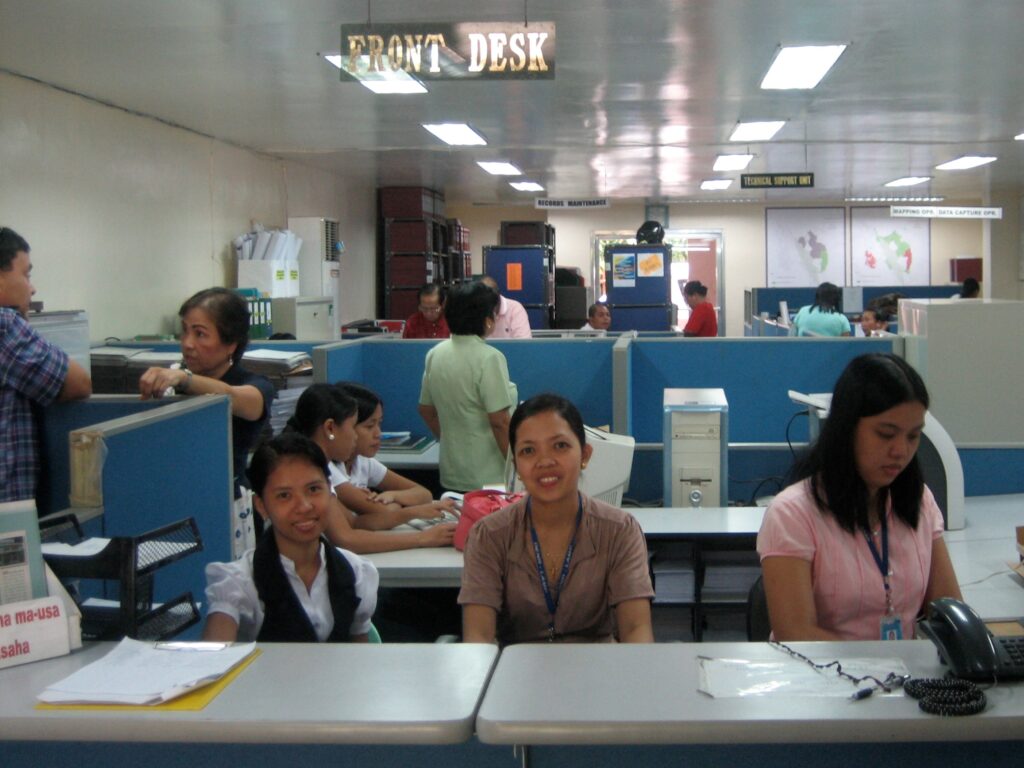
The project undertook the following activities and services to reduce risk and place the Taguig City Government (TCG) in a prime position to maximise benefits from the main BRACE project, these included:

  • an inception study based on a rapid assessment to evaluate the base data and to summarise key matters, risks and exposures that may or may not have been shown in the work done so far, a  and any actions and risk mitigation measures;
  • an emphasis on identifying and describing alternate financing and housing delivery approaches to the conventional approach outlined in the ICC documents;
  • the input of latest knowledge and experiences in incorporating DRR and DRM into gender sensitive safer settlement designs;
  • a participatory approach to obtaining stakeholder ‘buy-in’ to the key milestones of this project;
  • close collaboration with senior TCG staff, AusAID staff, the project co-ordinator and continuous dialogue throughout the consultancy;
  • establishing a unified work plan and resource plan and good working relations with both the capacity building team and the resettlement consultancy;
  • accessing a very high level expert panel;
  • an action learning method of working closely with the staff of TCG to build appreciation and knowledge of the processes being used during the consultancy.

The expert panel provided high level advice and quality assurance on the project outputs to ensure the project demonstrated best practices in safe settlement development.
Related Projects

Global Land Facility Programme

LEI are partnering with lead, Tetra Tech, in the implementation of the Land Facility program, funded by the UK FCDO. The Land Facility (LF) is designed as an offer to partner countries with a UK post, to co-design effective programs of land related reform. It can provide rural, forestry and urban land governance expertise and assistance to support partner governments’ efforts to expand their capacity to plan, manage and implement national land administration policy, legislation and system reforms.

Project Narrative Effective land governance systems are key to economic growth, rural livelihoods, climate change resilience, and women’s rights. Land is a key root cause of conflict, with increasing competition

Vanuatu Land Development, Greater Port Vila Infrastructure, Affordable Housing Vanuatu, Resilient Settlements Development, VARS Project Vanuatu, Land Development Strategy Vanuatu, Housing for Low-Income Earners Vanuatu, Vanuatu Urban Planning, Informal Settlements Upgrading, Flood Mitigation Vanuatu, Vanuatu Land Administration, Greenfield Residential Development, Public-Private Partnerships Vanuatu, Vanuatu Land Policy Advisory, Vanuatu Land Development Legal Services, Community Trusts Vanuatu, Sustainable Urban Growth Vanuatu, Vanuatu Infrastructure Development, Land Subdivision Vanuatu, Vanuatu Government Land Development

Vanuatu Affordable and Resilient Settlements (VARS) Project: Procurement of Land Development Policy, Legal and Marketing Advisory Services

The International Development Agency of the World Bank Group is supporting the Government of Vanuatu (GoV) with the Vanuatu Affordable and Resilient Settlements Project (VARS) in an amount of US$25 million, to achieve a long-term vision to provide potable water, sanitation, roads, drainage, and electricity to low-income households.

Project Narrative The overarching development objectives of VARS are to (i) improve access to and resilience of infrastructure and services in selected new and existing settlements, and (ii) strengthen land

Lesotho 2 Compact, Millennium Challenge Corporation, MCC Lesotho, Lesotho economic growth, Lesotho Land and Gender Activity, Market Driven Irrigation Horticulture, MDIH Project Lesotho, rural income improvement Lesotho, irrigation infrastructure Lesotho, commercial horticulture Lesotho, gender equity Lesotho, Lesotho irrigation systems, rural land registration system, gender reforms Lesotho, smallholder farmers Lesotho, anchor farmer Lesotho, irrigation scheme development, land use planning Lesotho, rural land market Lesotho, landholder rights Lesotho, Community Councils Lesotho, land registration Lesotho, Lesotho resettlement services, commercial farming partnerships Lesotho, Tetra Tech consultancy, Land Equity International, Lesotho agriculture projects, rural livelihoods Lesotho, agricultural production agreements, Lesotho land reforms

Market Driven Irrigation Horticulture (MDIH) Land and Gender Activity

The Lesotho II Compact was an agreement between the US government-funded Millenium Challenge Corporation (MCC) and the Kingdom of Lesotho (GoL). It was a $US300 million programme to address binding constraints to economic growth in Lesotho. The Lesotho II compact consisted of three projects designed to combat constraints to economic growth by either strengthening private sector participation and/or by improving government coordination, capacity and execution.

Project Narrative The Lesotho Land and Gender activity (L&G Activity), supported the Lesotho Millennium Challenge Account-II (MCA-Lesotho II) to meet the objectives of the Market Driven Irrigation Horticulture (MDIH) Project

In spirit of reconciliation, Land Equity International acknowledges the Traditional Custodians of country throughout Australia and their connections to land, sea, and community. We pay respects to their Elders past and present and extend that respect to all Aboriginal and Torres Strait Islander people.