Land Policy Studies

Project details

Country

Client

Project Timeframe

Key Services

Project Key Information

Assess the feasibility of introducing reforms in land administration

Project Narrative

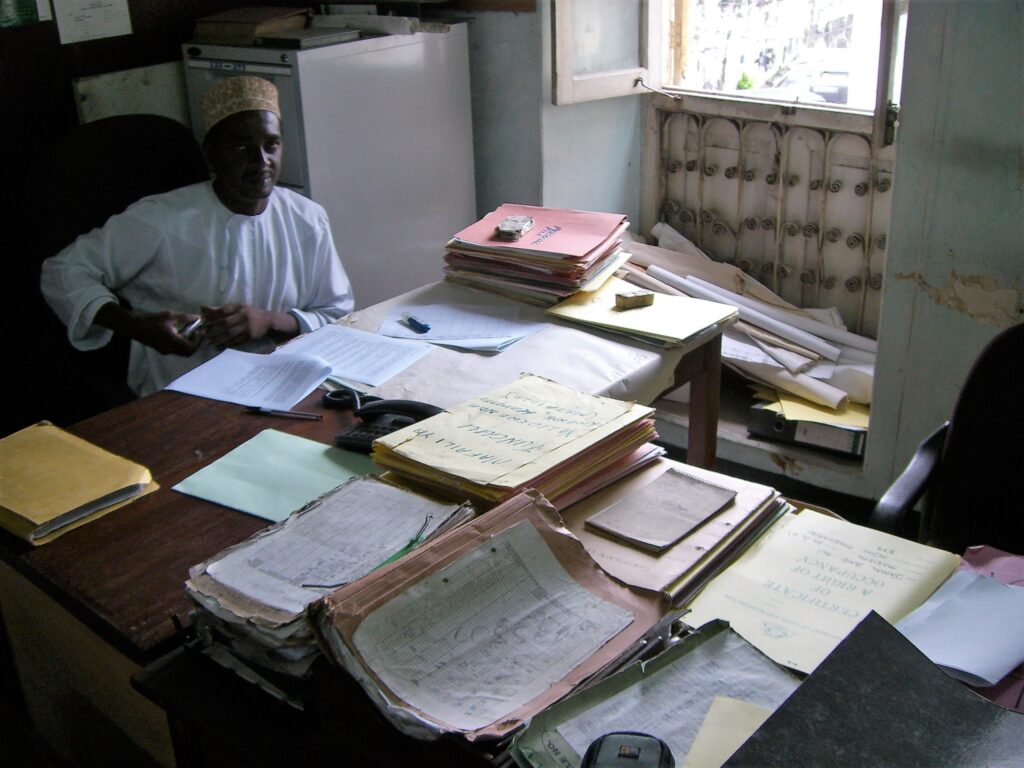
The objective of this project is to assess the feasibility of introducing reforms in land administration within an emerging government structure by enabling the formulation of policy, legal and institutional changes to achieve efficient procedures for the issuance of land titles and registration of property transactions, and transparent processes for the management and disposal of public land. This component supports consensus building through consultations and public hearings for the formulation of a national framework for land policy. Priority areas under study include; land register accuracy and factors limiting registry utilisation, land markets, land disputes, public land management, property valuation, fees and finance, education, and the legal and institutional framework for land administration.

Key services provided

Design and delivery of policy studies, including identifying stakeholders, consulting with stakeholders, selecting study areas, developing and conducting questionnaires and surveys, and presenting these findings at workshops for each of the policy studies. In consultation with stakeholders, develop a National Land Policy Framework document. As project manager, LEI was also responsible for providing effective management of the policy studies component including; ensuring outputs are delivered on time and within budget, ensuring project reporting requirements are met, ensuring quality assurance is maintained, managing team inputs and relations with the Client.

LEI helped the MOP (Ministry of Planning) to introduce reforms in land administration and management by building consensus on land issues and formulating a national land policy framework (NLPF) accompanied by an action-plan for implementation. We were responsible for helping the MOP to consolidate the regulatory framework governing land administration and enact a new land law.

A total of nine policy studies were conducted on Land Law; Institutional Strengthening; Land Registration; Land Disputes; Public and Municipal Land Management; Valuation; Fees and Finance; Educational Strengthening; and Land Markets.

The key findings and recommendations of each of the policy studies were presented to one or more key stakeholder workshops. They were then incorporated into a NLPF. The NLPF sets out the policy context for reform, major land issues to be addressed, and a policy framework including long term vision, objectives, principles, and a strategic approach. Supporting the development of the framework, a number of key policy statements and the enabling legislative and institutional environment were developed.

The land policy framework was developed based on the following principles of good governance:

  • Equity – land policies were developed to support equitable solutions for all Palestinians; an equitable system deals fairly and impartially with individuals and groups providing non-discriminatory access to records and services
  • Efficiency – LEI worked with the MOP to develop capacity to formulate policy and implement it efficiently by delivering services of a high quality and predictably in accordance with published laws, rules and regulations
  • Accountability – LEI worked with MOP to develop legislation and regulations which; discourage rent seeking; support diligent and objective service by public officials; ensure transparent budgeting; provide for the delivery of services that citizens want and need; and balance economic, social and environmental needs of present and future generations.

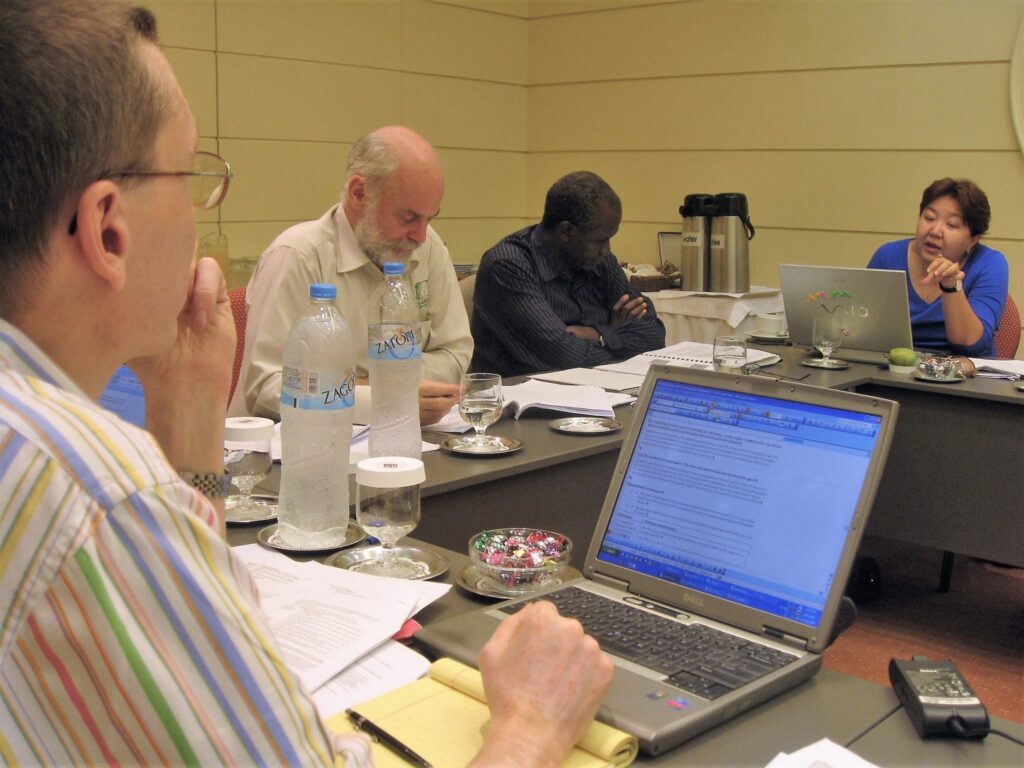
The land policy studies were undertaken with a strong focus on stakeholder consultation and participation. Over 10 workshops were held with at least one workshop following the preparation of each ploicy study to discuss key findings and recommendations. These workshops were typically video-conferences to ensure active involvement of stakeholders in both West Bank and Gaza.

Related Projects

Global Land Facility Programme

LEI are partnering with lead, Tetra Tech, in the implementation of the Land Facility program, funded by the UK FCDO. The Land Facility (LF) is designed as an offer to partner countries with a UK post, to co-design effective programs of land related reform. It can provide rural, forestry and urban land governance expertise and assistance to support partner governments’ efforts to expand their capacity to plan, manage and implement national land administration policy, legislation and system reforms.

Project Narrative Effective land governance systems are key to economic growth, rural livelihoods, climate change resilience, and women’s rights. Land is a key root cause of conflict, with increasing competition

Vanuatu Land Development, Greater Port Vila Infrastructure, Affordable Housing Vanuatu, Resilient Settlements Development, VARS Project Vanuatu, Land Development Strategy Vanuatu, Housing for Low-Income Earners Vanuatu, Vanuatu Urban Planning, Informal Settlements Upgrading, Flood Mitigation Vanuatu, Vanuatu Land Administration, Greenfield Residential Development, Public-Private Partnerships Vanuatu, Vanuatu Land Policy Advisory, Vanuatu Land Development Legal Services, Community Trusts Vanuatu, Sustainable Urban Growth Vanuatu, Vanuatu Infrastructure Development, Land Subdivision Vanuatu, Vanuatu Government Land Development

Vanuatu Affordable and Resilient Settlements (VARS) Project: Procurement of Land Development Policy, Legal and Marketing Advisory Services

The International Development Agency of the World Bank Group is supporting the Government of Vanuatu (GoV) with the Vanuatu Affordable and Resilient Settlements Project (VARS) in an amount of US$25 million, to achieve a long-term vision to provide potable water, sanitation, roads, drainage, and electricity to low-income households.

Project Narrative The overarching development objectives of VARS are to (i) improve access to and resilience of infrastructure and services in selected new and existing settlements, and (ii) strengthen land

Lesotho 2 Compact, Millennium Challenge Corporation, MCC Lesotho, Lesotho economic growth, Lesotho Land and Gender Activity, Market Driven Irrigation Horticulture, MDIH Project Lesotho, rural income improvement Lesotho, irrigation infrastructure Lesotho, commercial horticulture Lesotho, gender equity Lesotho, Lesotho irrigation systems, rural land registration system, gender reforms Lesotho, smallholder farmers Lesotho, anchor farmer Lesotho, irrigation scheme development, land use planning Lesotho, rural land market Lesotho, landholder rights Lesotho, Community Councils Lesotho, land registration Lesotho, Lesotho resettlement services, commercial farming partnerships Lesotho, Tetra Tech consultancy, Land Equity International, Lesotho agriculture projects, rural livelihoods Lesotho, agricultural production agreements, Lesotho land reforms

Market Driven Irrigation Horticulture (MDIH) Land and Gender Activity

The Lesotho II Compact was an agreement between the US government-funded Millenium Challenge Corporation (MCC) and the Kingdom of Lesotho (GoL). It was a $US300 million programme to address binding constraints to economic growth in Lesotho. The Lesotho II compact consisted of three projects designed to combat constraints to economic growth by either strengthening private sector participation and/or by improving government coordination, capacity and execution.

Project Narrative The Lesotho Land and Gender activity (L&G Activity), supported the Lesotho Millennium Challenge Account-II (MCA-Lesotho II) to meet the objectives of the Market Driven Irrigation Horticulture (MDIH) Project

In spirit of reconciliation, Land Equity International acknowledges the Traditional Custodians of country throughout Australia and their connections to land, sea, and community. We pay respects to their Elders past and present and extend that respect to all Aboriginal and Torres Strait Islander people.