The MRLG Project Hosts the 4th Mekong Regional Land Forum, celebrating 11 years of the Project
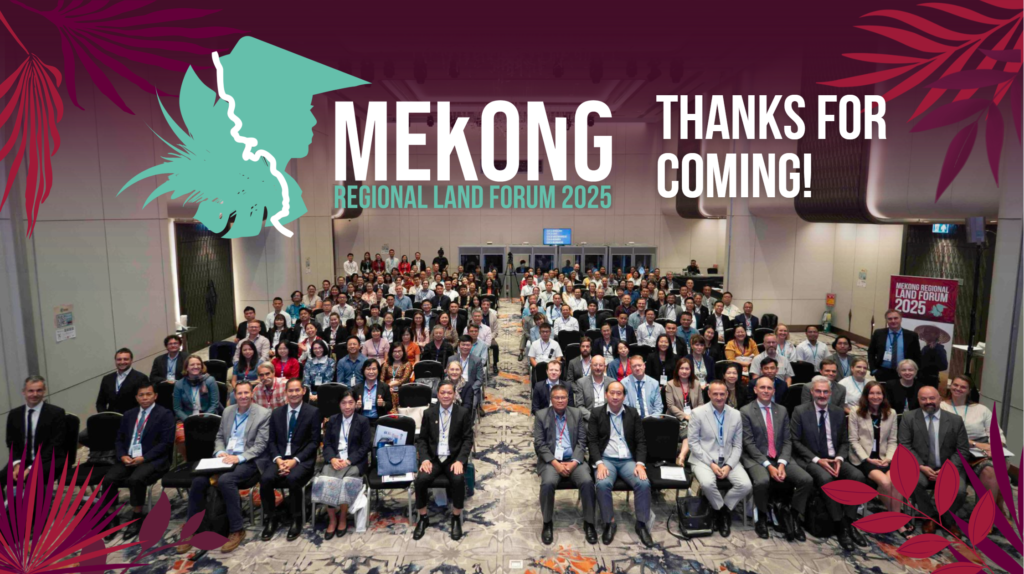
In September 2025, the 4th Mekong Regional Land Forum brought together more than 450 participants in person and online to reflect on the future of land governance in the Mekong region.
Transformative Land Investment in Lao PDR, a conversation with Dr Thiphavong Boupha
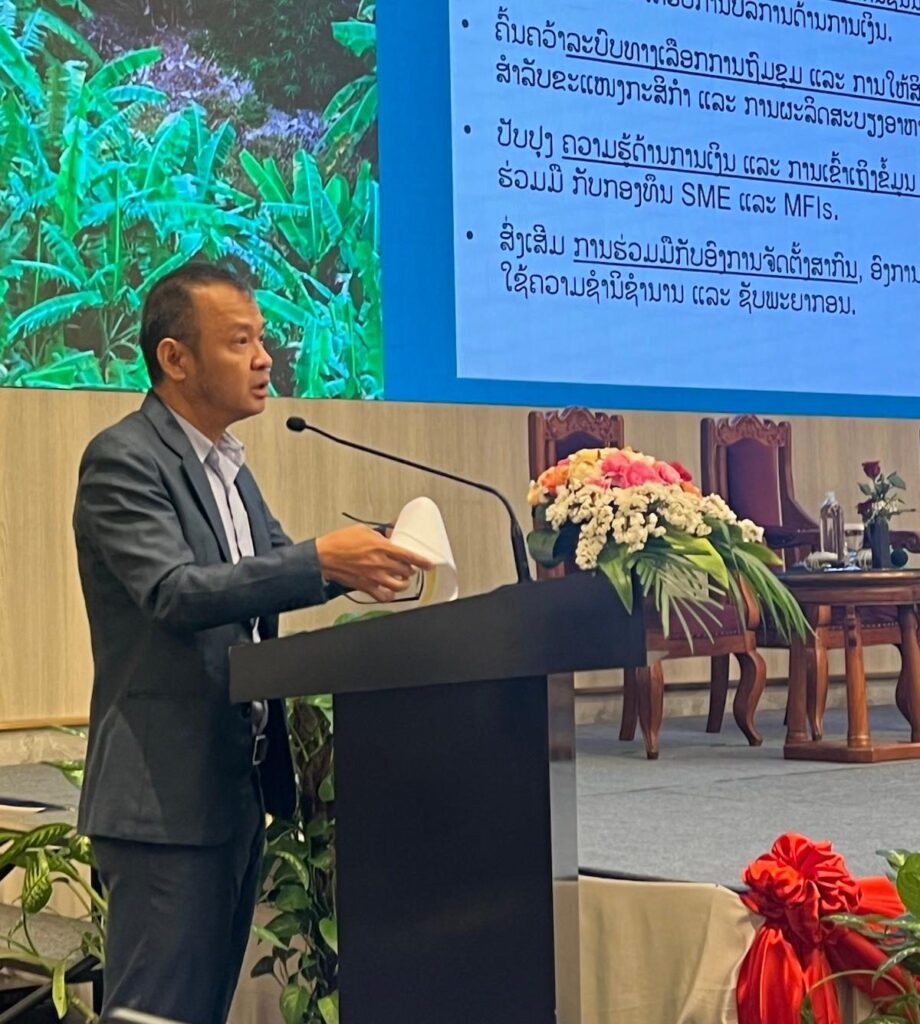
TLI focuses on three interrelated pathways: investors, the national business ecosystem and the global and regional development community, employing a multi-tiered approach to change investor practices and enabling environments at all levels. The Project utilises a variety of tools and methods to do this including the development of tech tools like the Risk-Reward Model and […]
Project Update – Insights from the Ground Up: Gender Equality and Responsible Agriculture Investment in Cambodia’s Rubber Sector
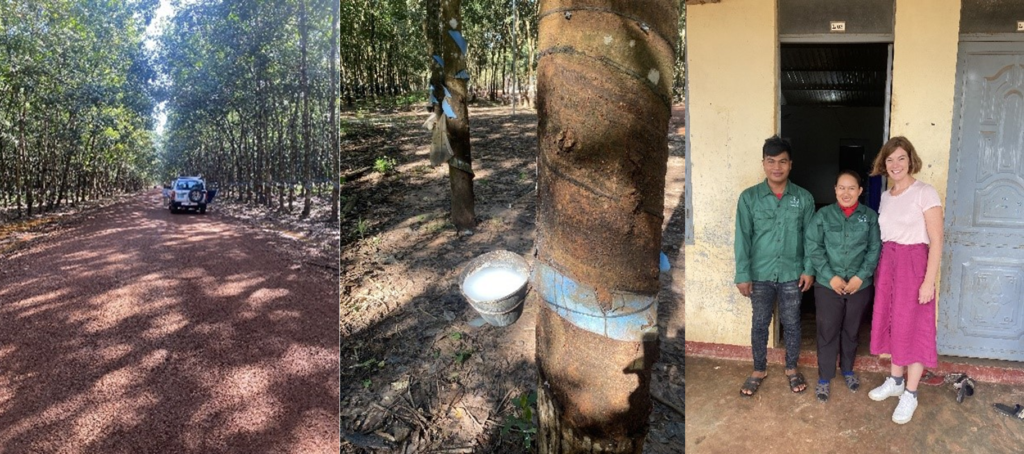
The purpose of the 2018 ASEAN Guidelines for Responsible Investment in Food, Agriculture and Forestry is “to promote investment in food, agriculture and forestry in the ASEAN region that contributes to regional economic development, food and nutrition security, food safety and equitable benefits, as well as the sustainable use of natural resources”. Guideline 3 states that ASEAN RAI Guidelines want to “contribute to equality, engagement and empowerment for women, young people, indigenous peoples and marginalized groups by…Supporting equitable access to opportunities and protecting human rights.”
DEADLINE EXTENDED 31st January … POSITION ADVERTISEMENT Regional Advisor for Responsible Agricultural Investment (RAI) – MRLG
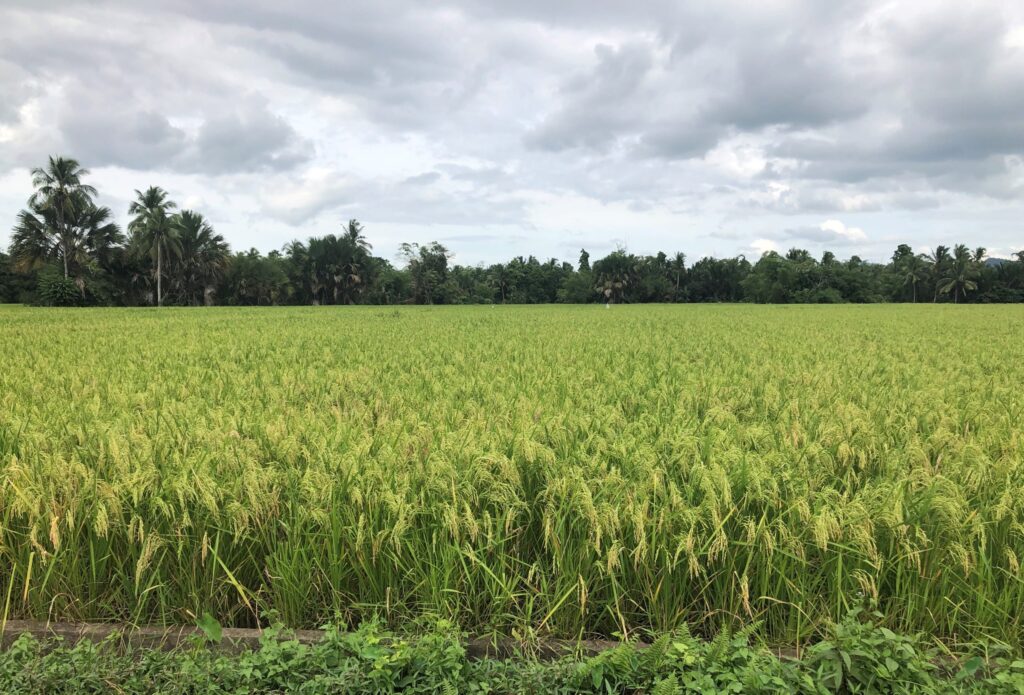
MRLG seeks a Responsible Agricultural Investment (RAI) Adviser to support its work at regional level.
Land and Forest Tenure Rights in the Mekong Region
The Mekong Region Land Governance (MRLG) project, together with our partners at the United Nations’ Food and Agriculture Organization (FAO) and the Land Portal, will organise the 3rd Mekong Regional Land Forum (MRLF2021) in the coming weeks, entitled “Land tenure in Mekong forest landscapes: advancing the recognition of customary rights and responsible investment practices”. This […]
Our Land Thoughts….with Dr Micah Ingalls
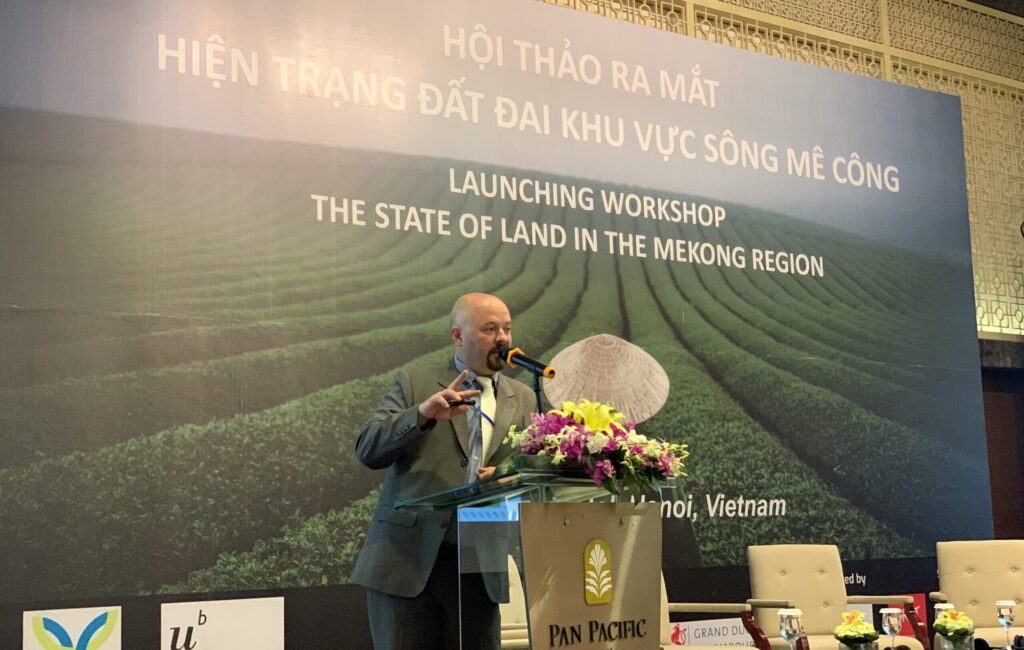
A conversation between Kate Fairlie and our MRLG project Team Leader, Micah Ingalls
Green and Inclusive Spatial Planning for Due Diligence
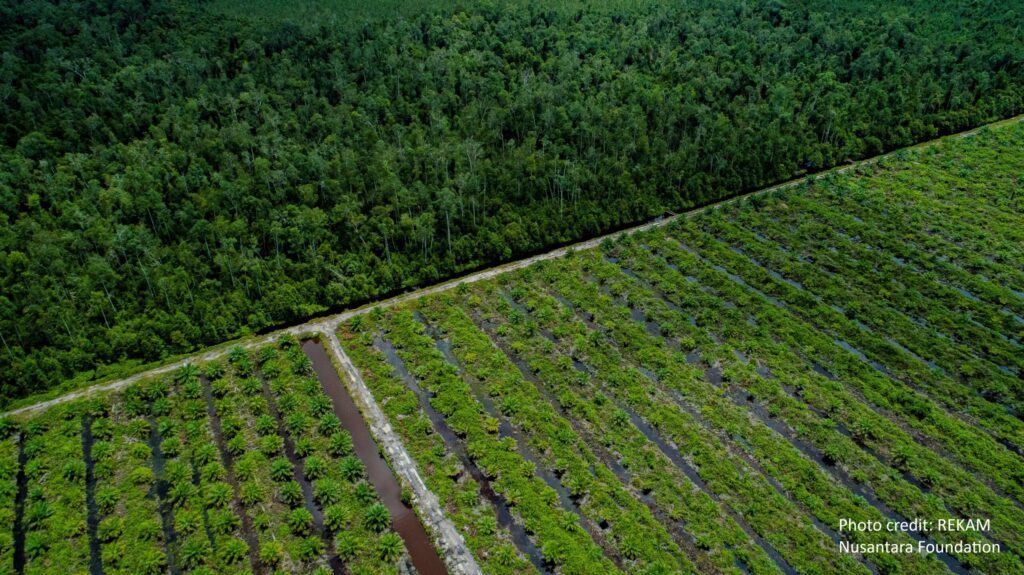
International deforestation statistics are compelling. Annual tree cover loss is regularly reported at the size of entire countries and is rapidly increasing. We know that addressing deforestation is essential to climate mitigation – yet forests receive just 3% of available climate mitigation finance. We advocated for more emphasis on green and inclusive spatial planning that is operating at National and Local governments that can work in collaboration with foreign and domestic investors.
The Bokeo Tea cooperative: The ongoing fight for the futures of ethnic communities
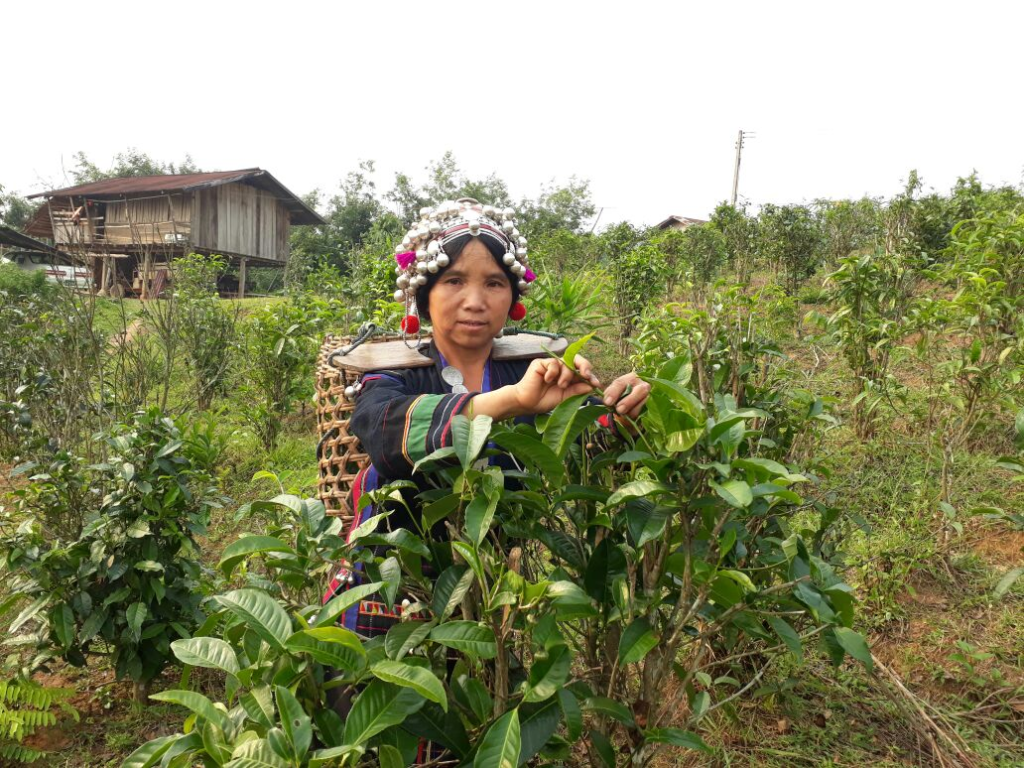
Tucked away in the small and remote mountainous region of Bokeo, Lao PDR, is a hidden gem of un-spoilt biodiversity, an ancient tea tree forest. The Bokeo Tea cooperative is an example of how poor ethnic minority communities with intermediary support are developing their own sustainable business and livelihoods through environmentally friendly methods. Unfortunately, the global pandemic could not have come at a worse time and threatens the emerging small business in the global market.
