
Intern Blog #3: Reflections
I completed the last week of my internship with LEI last week, and it feels as though the three months with them have flown by. Over the course of my internship I have been pushed to gain exposure to many of the different facets of the land tenure and administration process and have come to realise just how inextricable the link between land administration and international development is.
What’s land got to do with it? Finding solutions to the green energy land challenge in Bangladesh
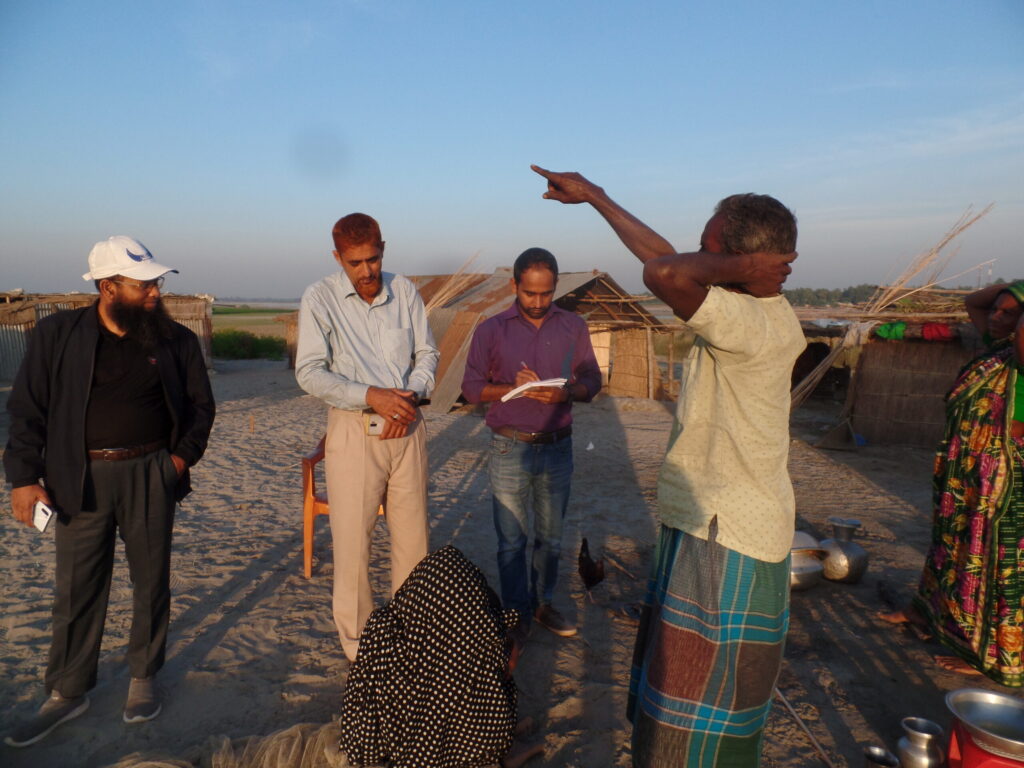
At COP26, the Government of Bangladesh announced that it seeks to achieve 40% of total energy supply from renewables by 2041. The country produced an ambitious revised National Determined Contribution (NDC) under the Paris Agreement to decarbonise and reduce the country’s emissions. These announcements led to the country’s Mujib Climate Prosperity Plan 2022 which indicated a plan to achieve 30% renewable energy by 2030 and 40% by 2041.
Our Land Thoughts – The Land Sector and Australia’s Development Goals
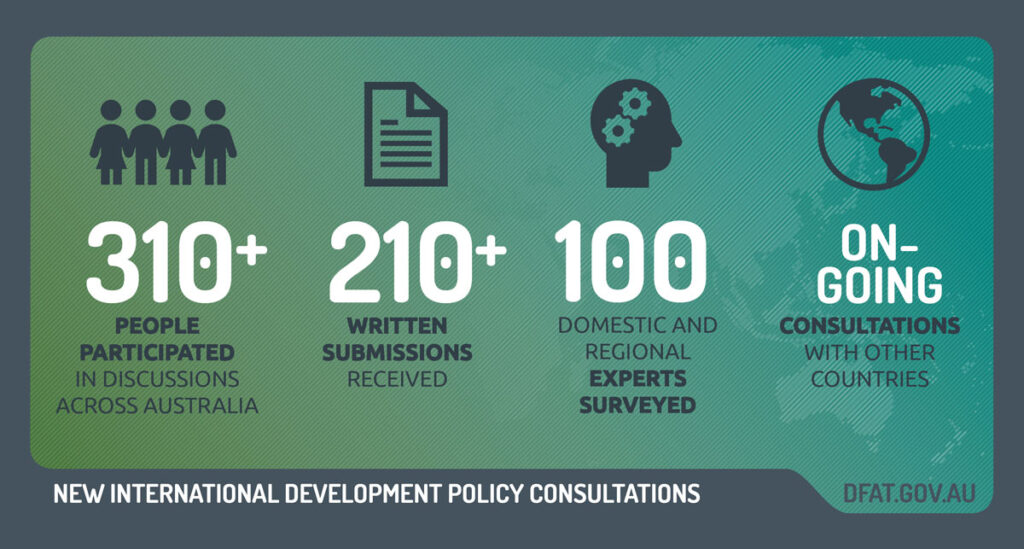
The Australian Government is preparing a new policy to guide international development cooperation, to be released ahead of the 2023-23 Federal Budget (May 2023). Written public submissions to inform the policy were invited, with key guiding questions addressing key trends and challenges, risk and opportunities, lessons from Australia’s past development efforts, and key needs from Australia in the region.
Resilient and Sustainable Food Systems through Transformative Land Investments in Africa and Asia
Large-scale land investments across Africa and Asia have often caused repercussions to food security and supply issues. They have often compromised the livelihoods of smallholder farmers, exacerbated land tenure conflicts and caused environmental degradation. Addressing investment practices – through inclusive business and sustainable agroecology – has the potential to achieve more sustainable food systems and […]
PSP Assists Papua Province to develop a REDD+ Strategy and Action Plan
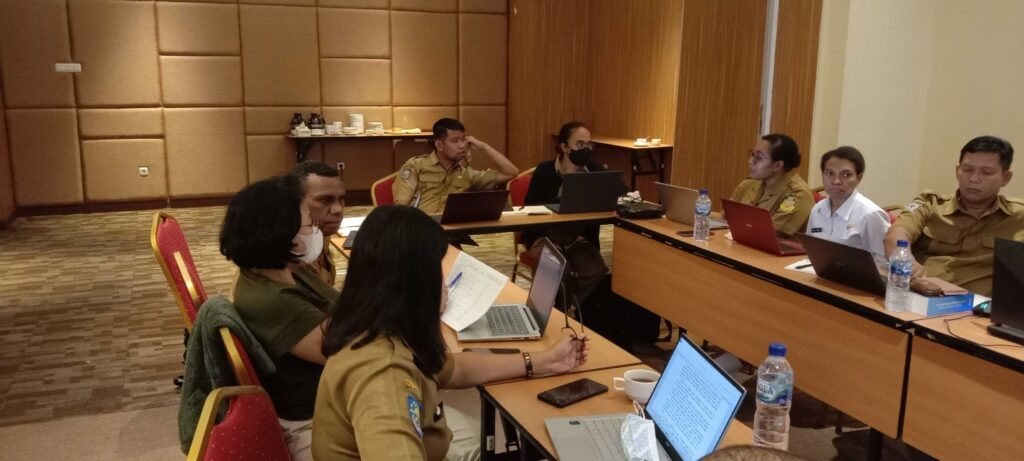
It creates a financial value for forest carbon, incentivising forest protection rather than forest destruction. This is critical given the mitigation potential of REDD+ is in the realm of 5 gigatons of carbon per year, coming behind only the energy sector in terms of mitigation potential. Indonesia released its REDD+ National Strategy in 2012, with supporting […]
Tenure responsive planning in Nauru
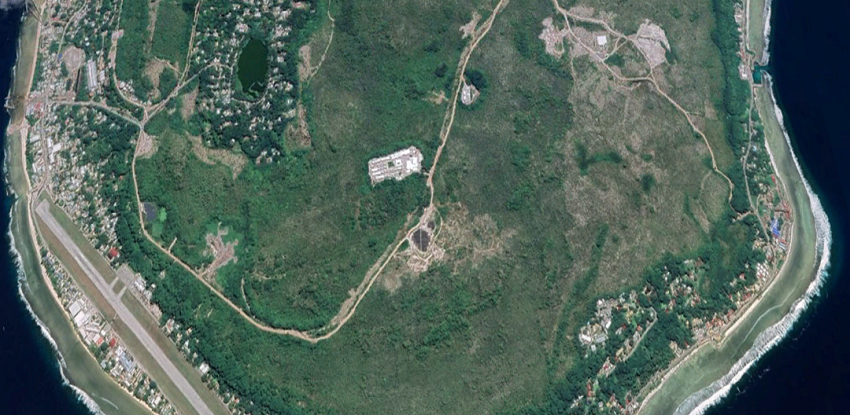
“I forgive you if you have never heard of my country… but you will not forgive yourselves if you ignore our story.” So wrote former President of Nauru, Marcus Stephen, in a New York Times op ed dated 19 July 2011.
Putting a Land Lens to Renewable Energy Investments in Bangladesh
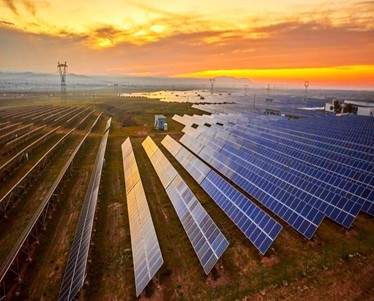
Land Equity International (LEI) is privileged to be awarded a World Bank consultancy to enhance renewable energy investments and access to land in Bangladesh. The activity is funded by the Public-Private Infrastructure Advisory Facility (PPFIAF) of the World Bank.
Climate Change: Building Land Administration Resilience
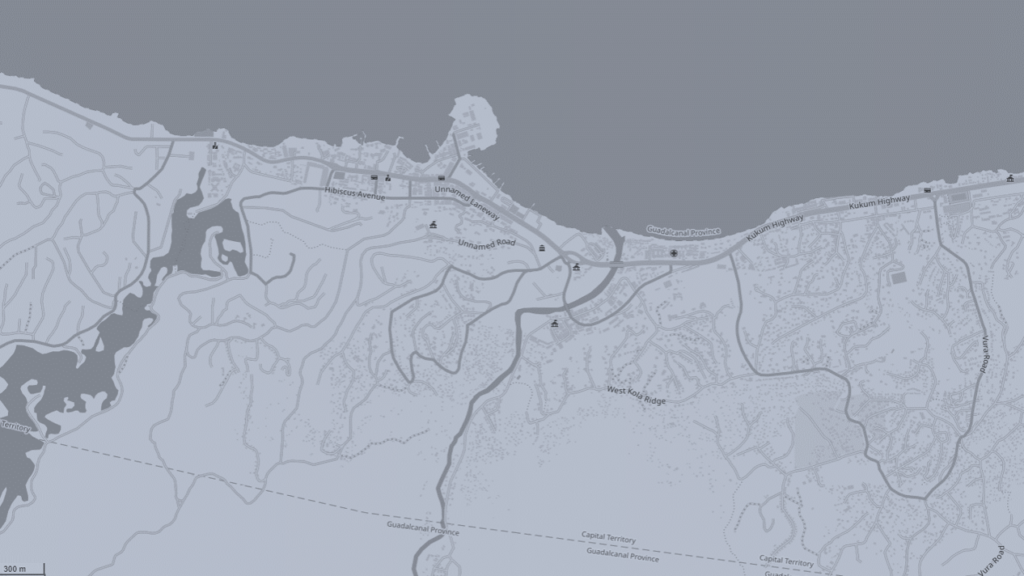
2019 saw the “Climate Emergency” raised to the fore around the globe gaining huge public momentum and varying political attention. It’s difficult to write from a country that ignored a call from neighbouring Pacific leaders in August and then a month later at the UN summit rejected future commitments to a global UN Climate Fund. […]
An Update from LEI
Over the past few months we’ve worked with a local digital design team and are pleased to invite you to revisit our website www.landequity.com.au/.
During this time Australia’s own experience with resilience in the face of bushfires and floods has reminded us how strong a sense of place and belonging truly is – and has highlighted how important the role of reliable property systems is in enabling individuals and communities to recover.
Climate change and tenure insecurity in small island developing states
This year’s International Federation of Surveyors (FIG) Working Week in Christchurch, New Zealand, focused on “Recovery from Disaster”. Having experienced significant earthquakes in recent years, the city was well placed to host this event and showcase how the local population has innovated and adapted in the face of so much destruction.
