
An Update from LEI
Happy mid-year (already!) to our friends and colleagues. We step into the second half of the year after our 3-day planning sessions in Warrane on Eora Nation land, now known as Sydney – 3 days of intensive discussions and planning, sustained by and bonding over good food and harbour views.
Project Update – Spatial decision-making to underpin energy transformation in Bangladesh
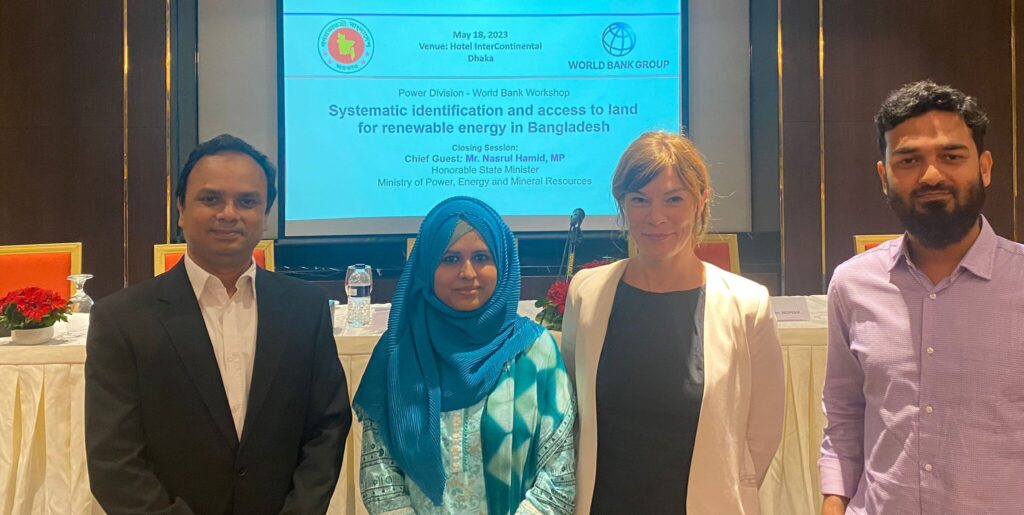
LEI staff, together with partners UNSW and ENRAC, recently presented to the Bangladesh State Minister for Power, Energy and Mineral Resources the work conducted under the World Bank project, Systematic Identification and Access to Land for Renewable Energy in Bangladesh.
An update from LEI
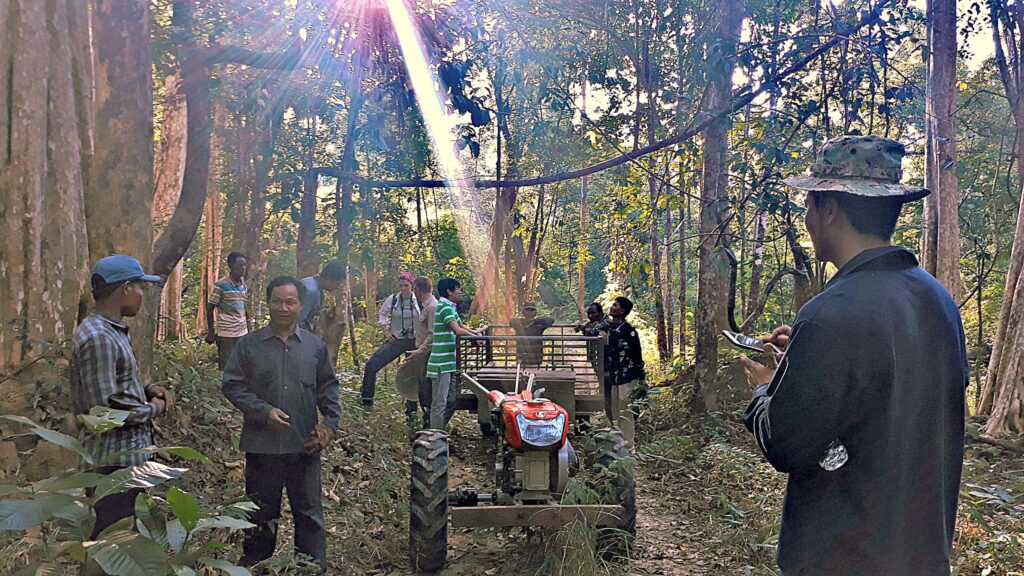
As we close out 2022, we reflect on the huge milestones met across our business and through the very successful implementation of our major projects in the Mekong and Indonesia in particular.
What’s land got to do with it? Finding solutions to the green energy land challenge in Bangladesh
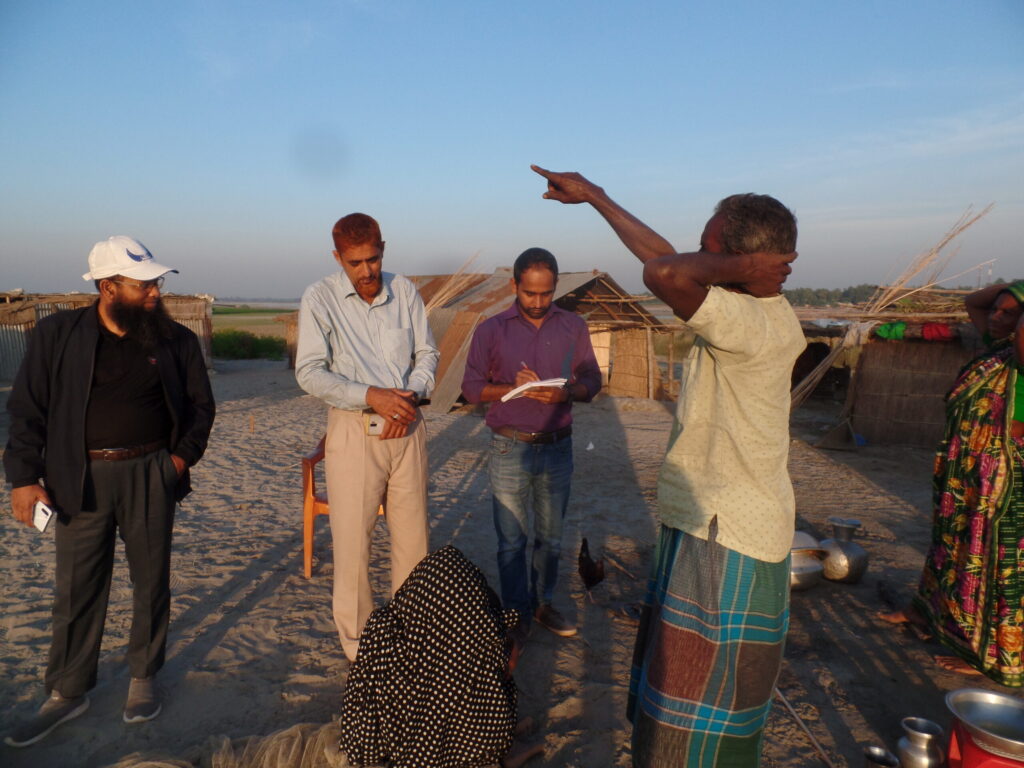
At COP26, the Government of Bangladesh announced that it seeks to achieve 40% of total energy supply from renewables by 2041. The country produced an ambitious revised National Determined Contribution (NDC) under the Paris Agreement to decarbonise and reduce the country’s emissions. These announcements led to the country’s Mujib Climate Prosperity Plan 2022 which indicated a plan to achieve 30% renewable energy by 2030 and 40% by 2041.
PSP Assists Papua Province to develop a REDD+ Strategy and Action Plan
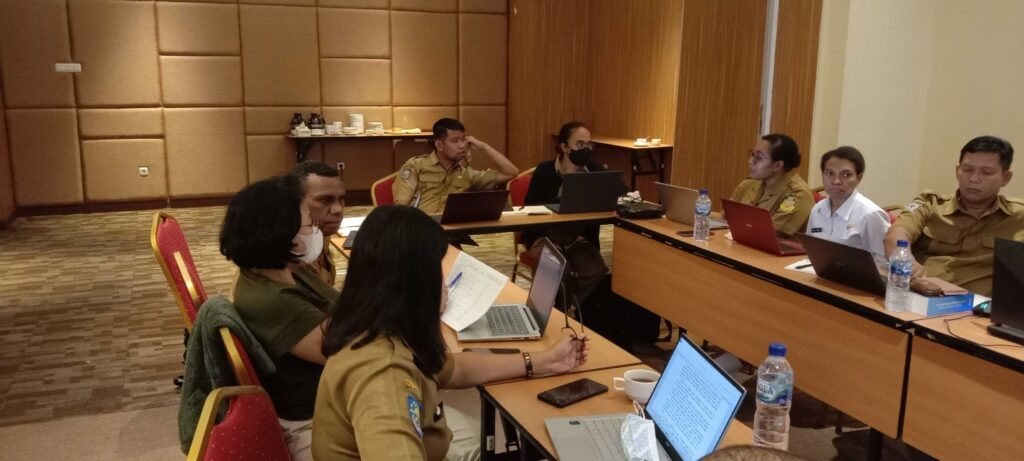
It creates a financial value for forest carbon, incentivising forest protection rather than forest destruction. This is critical given the mitigation potential of REDD+ is in the realm of 5 gigatons of carbon per year, coming behind only the energy sector in terms of mitigation potential. Indonesia released its REDD+ National Strategy in 2012, with supporting […]
Putting a Land Lens to Renewable Energy Investments in Bangladesh
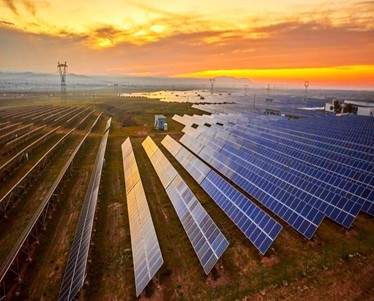
Land Equity International (LEI) is privileged to be awarded a World Bank consultancy to enhance renewable energy investments and access to land in Bangladesh. The activity is funded by the Public-Private Infrastructure Advisory Facility (PPFIAF) of the World Bank.
