Vision & Feasibility Master Plan in support of the Higher Ground Initiative (Phases 1 and 2)

Higher Ground Initiative, HGI, managed migration Nauru, Island higher elevation, Topside Nauru, climate change vulnerability, economic development, natural environment protection, population health, prosperity Nauru, Phase I HGI, Phase II HGI, feasibility master plan, Government-owned site, Land Portion 230, land tenure challenges Nauru, land tenure reform, customary tenure practices, colonial history Nauru, social safeguarding, housing allocation, housing tenure arrangements, stakeholder engagement, tenure options, pro-poor housing Nauru, land transfers, conveyancing, regional case studies, land use planning, low-income housing access, absentee owners, land ownership fragmentation, land readjustment, building controls, Nauru government stakeholders, land tenure and land administration, social safeguards background, housing management, urban development, coastal vulnerability, critical infrastructure relocation, social safeguarding review, Nauruan socio-economic context, political viability, sustainable urban development.

Project details

Country

Client

Project Timeframe

Key Services

Project Key Information

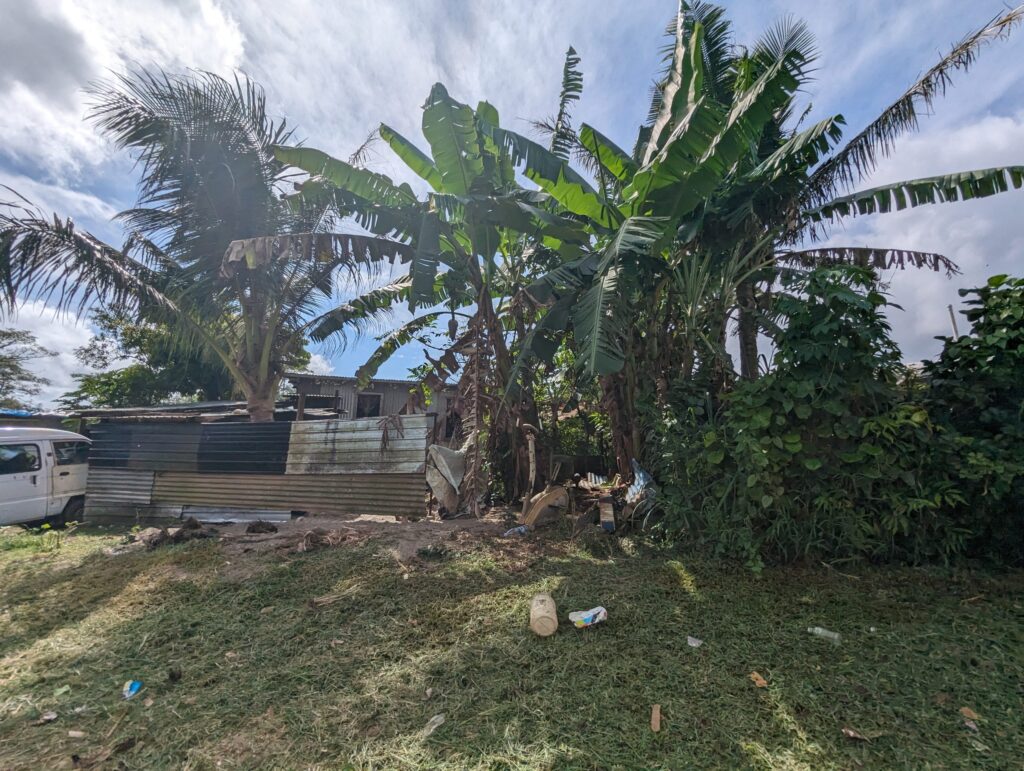
The Republic of Nauru is facing the impacts of climate change, demonstrated by increasingly long dry spells, ongoing coastal erosion, and significant risk of sea level rise. These impacts, compounded by the irreversible effects of phosphate mining, risk the future sustainability, sovereignty and safety of Nauru’s citizens. In addition, with most of the population living around the island’s coastal fringe (‘Bottomside’), the country is facing a significant housing challenge. As one of the most densely populated islands in the Pacific, overcrowded living conditions and poor-quality housing predominates. To respond to these challenges – which are compounded by food and economic insecurity – Nauru must fully adapt, with a strategic plan for the relocation of its people, its assets, and its communities to higher ground.

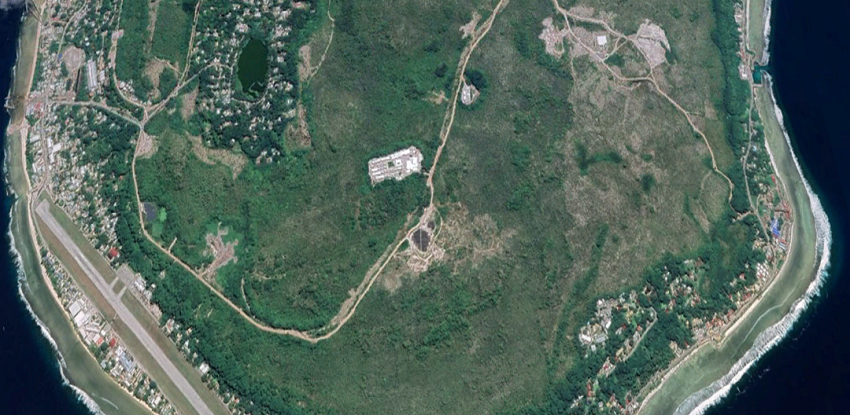
In recognizing this need, the Higher Ground Initiative (HGI) has been established. HGI seeks a managed migration of people and infrastructure to the Island’s higher elevation inland, commonly known as ‘Topside’. As a generational undertaking, critical to the long-term survival of Nauru, HGI seeks to mobilize the country around a collective national vision that fundamentally changes the development trajectory of the country for the better. HGI proposes to do this by (1) addressing its inherent vulnerability to climate change, (2) restoring balance between the economic development and protection of the natural environment, and (3) building a foundation for a healthier and more prosperous population in the future.

The HGI Phase I and II projects support the priorities of the Higher Ground Initiative (HGI). During Phase 1, the consortium developed a vision and feasibility master plan for the whole island, with a particular focus on one Government-owned site prioritized for rehabilitation – ‘Land Portion 230’. The LEI team component involved an analysis of the land tenure challenges facing the island including proposing land tenure reform options for the Government-owned site, as well as for the broader work around the island. This is important as the focus of the existing legal framework was primarily on enabling leases for mining access and infrastructure development and customary tenure practices have been weakened by Nauru’s colonial history. LEI was also tasked with identifying potential social safeguarding needs.

During Phase 2, the project undertakes a technical assessment of the next steps needed to proceed with the development of the HGI plans. The LEI team is providing options for allocation of housing for the Government-owned site, as well as broader tenure arrangements for other spaces on this site. Support has also been provided to the wider consortium around strategies for stakeholder engagement, given the significant consultation needs of HGI.

Key Project Services

The LEI team provides support and core technical assistance to the project under the themes of land tenure and social safeguarding.

In Phase 1, this consisted primarily of preliminary advice, scoping and awareness raising/sensitisation. LEI responded to a request by the Government of Nauru to provide guidance on land transfers and conveyancing, and on tenure options for pro-poor housing. LEI developed guidance addressing these areas, drawing on regional case studies, which was presented to key government stakeholders. Working closely with the wider team to integrate land tenure concerns with master planning and the built environment, LEI developed, delivered and presented the following reports in Phase 1:

  • Initial Assessment of Land Tenure and Land Administration in Nauru
  • Social Safeguards Background Paper
  • Land Tenure Options Working Paper
  • Improving Equitable Access to Housing in Nauru through Land Tenure Reform and Land Use Planning including five Pacific case studies addressing challenges including low-income housing access, absentee owners, land ownership fragmentation, land readjustment and building controls.

Throughout, LEI has been conscious to provide materials in a format that meets the requirements of the client: minimising technical language as appropriate, providing presentations and diagrammatic materials to portray key ideas, grounding ideas in local context and example situations, facilitating discussions and integrating ideas and inputs within broader deliverables.

In Phase 2 LEI’s support will focus on the options around land tenure and housing management on the Government-owned area of topside, where rehabilitation is due to conclude at the end of 2023. Land tenure options and housing management encompass questions of who will be granted rights to this rehabilitated site, what form those rights will take, and institutional requirements to manage the process sustainably and equitably. In-country travel will facilitate workshops with stakeholders and ensure that proposed options are grounded in the Nauruan socio-economic context and remain politically viable.

Given the Higher Ground Initiative vision for sustainable urban development – that, in the face of climate change, will likely see the vast majority of homes and critical infrastructure relocated away from vulnerable coastal locations, there is a need for the project to identify areas of social safeguarding concern from the outset. LEI’s social safeguarding adviser has undertaken an initial social safeguarding review and consultation with the client and project team members, to report on considerations for the development of master plan options.
Testimonial

Test Title

Test Name

Related Projects

Digitalization of Nepal’s Land Administration Sector

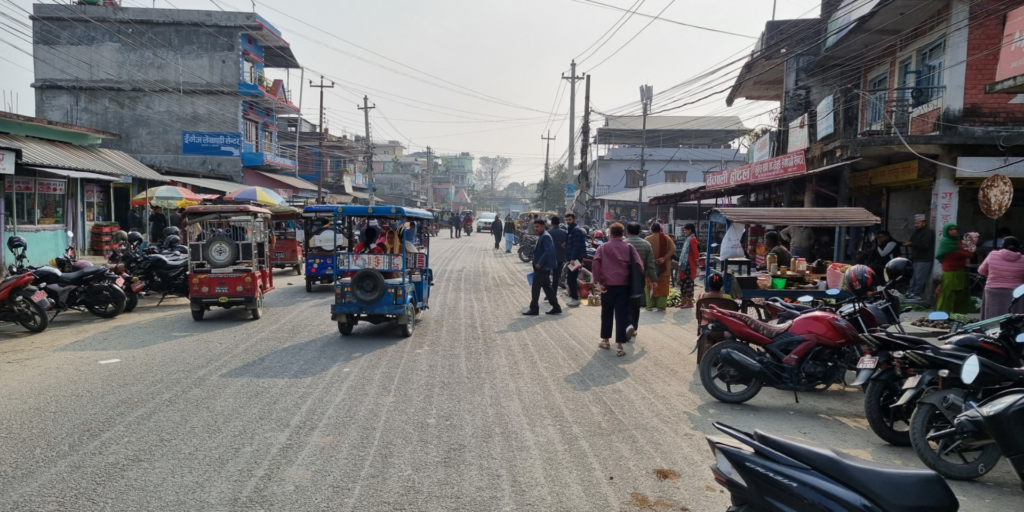
A well-functioning land administration system is essential for economic stability, social justice, environmental sustainability, and effective governance. Despite significant policy reform efforts by the Government of Nepal, limited capacity has challenged the integration of cadastre and land registry data, systems, and institutions to improve service delivery. For this project, LEI partnered with Kadaster International and RajDevi Engineering Consultants to support the Digitalization of Nepal’s Land Administration Sector.

LEI provided technical assistance for the World Bank and Government of Nepal to support the digitalisation and decentralisation of Nepal’s land administration system, as well as the establishment of an

Global Land Facility Programme

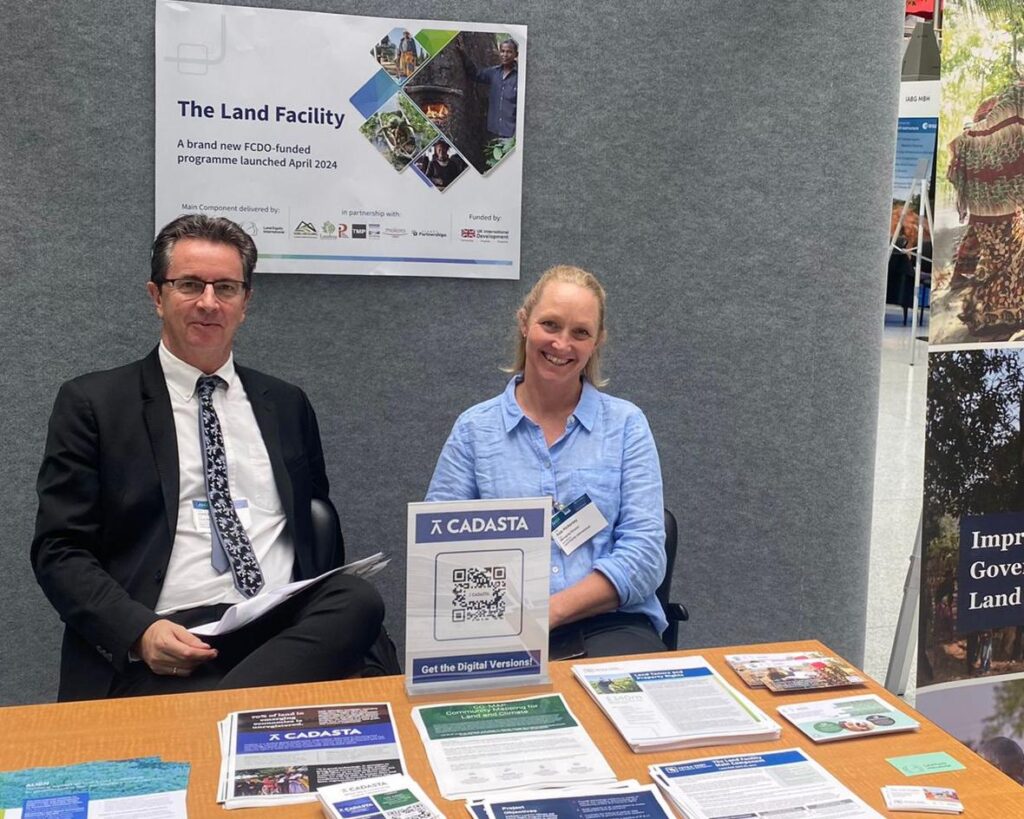
LEI are partnering with lead, Tetra Tech, in the implementation of the Land Facility program, funded by the UK FCDO. The Land Facility (LF) is designed as an offer to partner countries with a UK post, to co-design effective programs of land related reform. It can provide rural, forestry and urban land governance expertise and assistance to support partner governments’ efforts to expand their capacity to plan, manage and implement national land administration policy, legislation and system reforms.

Project Narrative Effective land governance systems are key to economic growth, rural livelihoods, climate change resilience, and women’s rights. Land is a key root cause of conflict, with increasing competition

Vanuatu Land Development, Greater Port Vila Infrastructure, Affordable Housing Vanuatu, Resilient Settlements Development, VARS Project Vanuatu, Land Development Strategy Vanuatu, Housing for Low-Income Earners Vanuatu, Vanuatu Urban Planning, Informal Settlements Upgrading, Flood Mitigation Vanuatu, Vanuatu Land Administration, Greenfield Residential Development, Public-Private Partnerships Vanuatu, Vanuatu Land Policy Advisory, Vanuatu Land Development Legal Services, Community Trusts Vanuatu, Sustainable Urban Growth Vanuatu, Vanuatu Infrastructure Development, Land Subdivision Vanuatu, Vanuatu Government Land Development

Vanuatu Affordable and Resilient Settlements (VARS) Project: Land Development Policy, Legal and Marketing Advisory Services

We contributed to the World Bank’s VARS project (US$25 million) by supporting the efficient and affordable supply of resilient housing in low hazard, peri-urban areas in Great Port Vila.

Project Narrative The overarching development objectives of VARS are to (i) improve access to and resilience of infrastructure and services in selected new and existing settlements, and (ii) strengthen land

In spirit of reconciliation, Land Equity International acknowledges the Traditional Custodians of country throughout Australia and their connections to land, sea, and community. We pay respects to their Elders past and present and extend that respect to all Aboriginal and Torres Strait Islander people.