Support to the Palestinian Land Sector

Project details

Country

Client

Project Timeframe

Key Services

Project Key Information

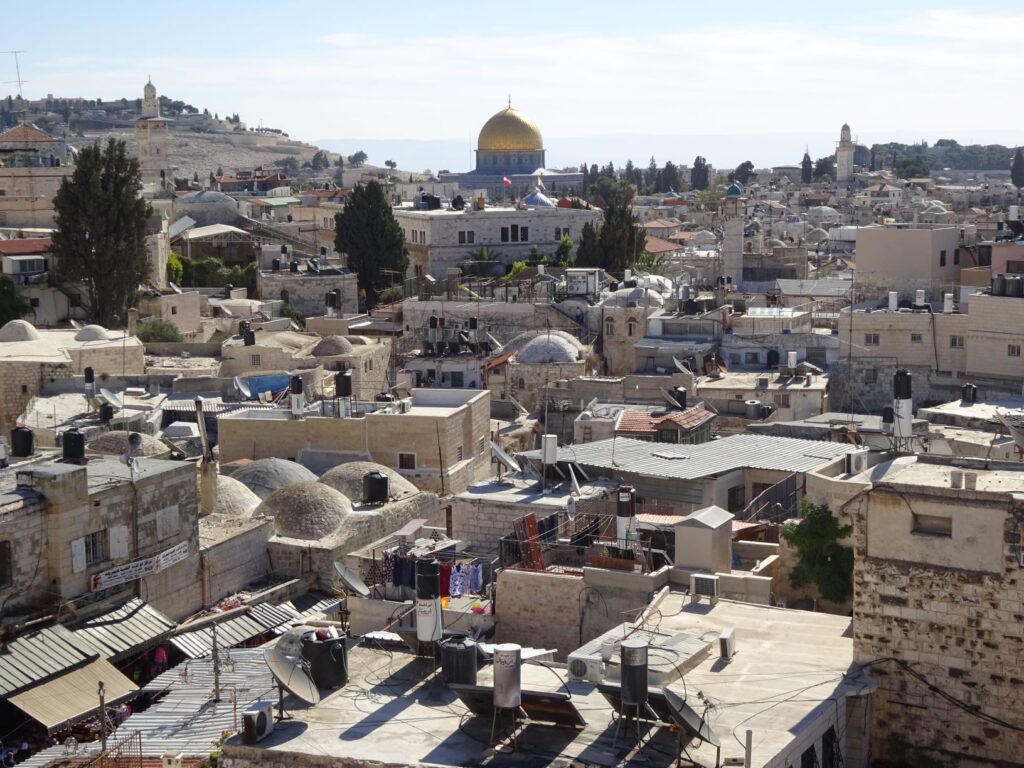
Secure land tenure in the Palestinian territories is fundamental for economic growth, effective central and local government, and citizen’s trust in their services. After two reform attempts, momentum was later realised and successful first-time land registration was completed. The World Bank re-engaged with the government, and this project focused on assisting preparation of an action plan to implement the Palestinian Authority Road Map.

Project Narrative

Land management and administrative reform is a key priority for the Palestinian Authority, and secure tenure is fundamental to the economic growth, effective central and local governance, and citizen’s trust in the land and government services.  Two past reform land administration projects have been supported by the World Bank in the Palestinian territories, with varying results. The first sought to strengthen the capacity of the Palestinian Authority in land management, whilst the second sought to improve the design and implementation of the land registration system. The latter achieved little progress and it was agreed with development partners that the Palestinian Authority should develop a comprehensive, multi-stakeholder approach to land sector reform. This assignment supported Palestinian Authority efforts in this regard.

In particular, the project supported the implementation of the Road Map through key technical assistance in developing sectoral policies on issues related to the update and consolidation of the legal framework.

This assignment provided land administration services to the Palestinian Authority (PA) in connection with:

  • The implementation of the Road Map for Reforming the Palestinian Land Sector (Road Map), and technical discussions on the Action Plan for next steps related to the Road Map;
  • Assessment of the on-going systematic registration by the new agency; and
  • Detailed cost analysis to complete systematic land registration (SLR).

Key services provided

LEI provided advice to the Palestinian Authority on the next steps and requirements to implement the Road Map, with particular regard to ongoing systematic land registration, linkages within and between land and other government agencies, and institutional development needs. LEI undertook the following actions:

  • Preparation of a detailed action plan to implement the roadmap, in conjunction with the local agency;
  • Assessment of the on-going systematic land registration by the Land, Water and Settlement Commission (LWSC);
  • Assessment of the operational link between the Palestinian Land Authority (PLA) and LWSC to ensure efficiency and effectiveness i.e. the titles issued by the LWSC are registered in the PLA;
  • Preparation of a detailed cost analysis to finalize the completion of land titling, including a breakdown of costs between the local level, users, and central government;
  • Identification of institutional development activities needed for the PLA, and training needs of LWSC.
Related Projects

Global Land Facility Programme

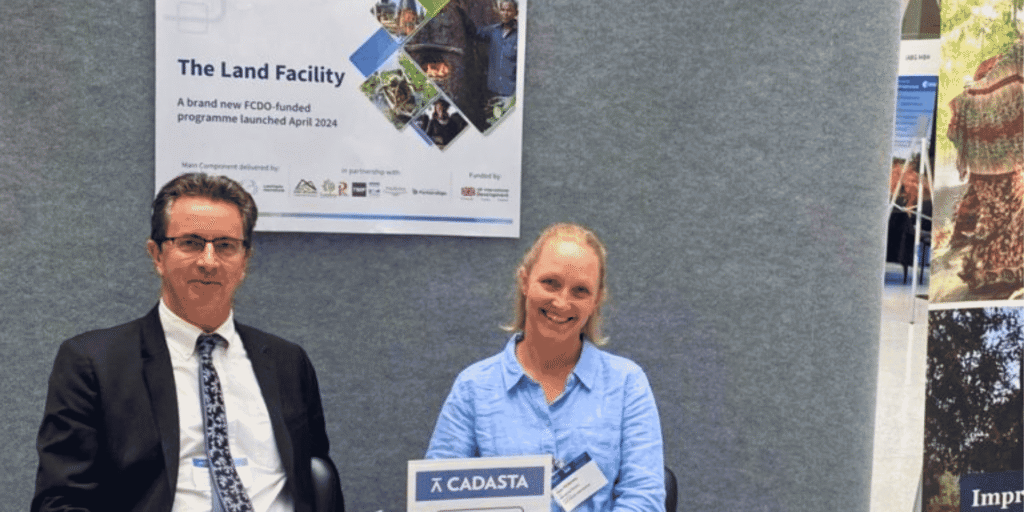
LEI are partnering with lead, Tetra Tech, in the implementation of the Land Facility program, funded by the UK FCDO. The Land Facility (LF) is designed as an offer to partner countries with a UK post, to co-design effective programs of land related reform. It can provide rural, forestry and urban land governance expertise and assistance to support partner governments’ efforts to expand their capacity to plan, manage and implement national land administration policy, legislation and system reforms.

Project Narrative Effective land governance systems are key to economic growth, rural livelihoods, climate change resilience, and women’s rights. Land is a key root cause of conflict, with increasing competition

Vanuatu Land Development, Greater Port Vila Infrastructure, Affordable Housing Vanuatu, Resilient Settlements Development, VARS Project Vanuatu, Land Development Strategy Vanuatu, Housing for Low-Income Earners Vanuatu, Vanuatu Urban Planning, Informal Settlements Upgrading, Flood Mitigation Vanuatu, Vanuatu Land Administration, Greenfield Residential Development, Public-Private Partnerships Vanuatu, Vanuatu Land Policy Advisory, Vanuatu Land Development Legal Services, Community Trusts Vanuatu, Sustainable Urban Growth Vanuatu, Vanuatu Infrastructure Development, Land Subdivision Vanuatu, Vanuatu Government Land Development

Vanuatu Affordable and Resilient Settlements (VARS) Project: Procurement of Land Development Policy, Legal and Marketing Advisory Services

The International Development Agency of the World Bank Group is supporting the Government of Vanuatu (GoV) with the Vanuatu Affordable and Resilient Settlements Project (VARS) in an amount of US$25 million, to achieve a long-term vision to provide potable water, sanitation, roads, drainage, and electricity to low-income households.

Project Narrative The overarching development objectives of VARS are to (i) improve access to and resilience of infrastructure and services in selected new and existing settlements, and (ii) strengthen land

Lesotho 2 Compact, Millennium Challenge Corporation, MCC Lesotho, Lesotho economic growth, Lesotho Land and Gender Activity, Market Driven Irrigation Horticulture, MDIH Project Lesotho, rural income improvement Lesotho, irrigation infrastructure Lesotho, commercial horticulture Lesotho, gender equity Lesotho, Lesotho irrigation systems, rural land registration system, gender reforms Lesotho, smallholder farmers Lesotho, anchor farmer Lesotho, irrigation scheme development, land use planning Lesotho, rural land market Lesotho, landholder rights Lesotho, Community Councils Lesotho, land registration Lesotho, Lesotho resettlement services, commercial farming partnerships Lesotho, Tetra Tech consultancy, Land Equity International, Lesotho agriculture projects, rural livelihoods Lesotho, agricultural production agreements, Lesotho land reforms

Market Driven Irrigation Horticulture (MDIH) Land and Gender Activity

The Lesotho II Compact was an agreement between the US government-funded Millenium Challenge Corporation (MCC) and the Kingdom of Lesotho (GoL). It was a $US300 million programme to address binding constraints to economic growth in Lesotho. The Lesotho II compact consisted of three projects designed to combat constraints to economic growth by either strengthening private sector participation and/or by improving government coordination, capacity and execution.

Project Narrative The Lesotho Land and Gender activity (L&G Activity), supported the Lesotho Millennium Challenge Account-II (MCA-Lesotho II) to meet the objectives of the Market Driven Irrigation Horticulture (MDIH) Project

In spirit of reconciliation, Land Equity International acknowledges the Traditional Custodians of country throughout Australia and their connections to land, sea, and community. We pay respects to their Elders past and present and extend that respect to all Aboriginal and Torres Strait Islander people.