
The MRLG Project Hosts the 4th Mekong Regional Land Forum, celebrating 11 years of the Project
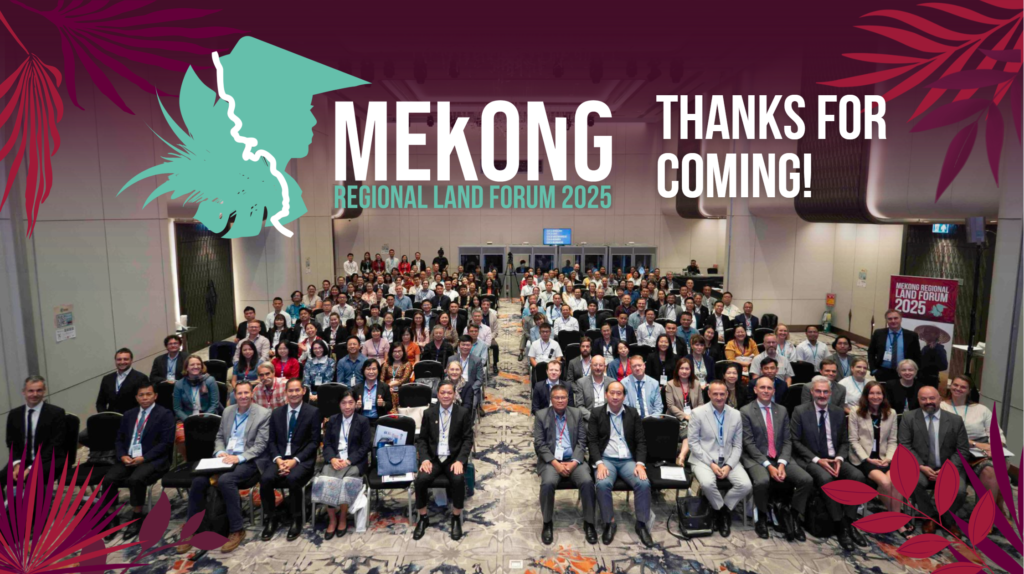
In September 2025, the 4th Mekong Regional Land Forum brought together more than 450 participants in person and online to reflect on the future of land governance in the Mekong region.
Featured Project – Spatial planning to reduce deforestation and carbon emissions in Indonesia
Indonesia has a special place in LEI’s company heart, with a nearly 30-year history of partnership between LEI and the Government of Indonesia. The recently closed Papua Spatial Planning (PSP) project has been a particular highlight, undertaken in partnership with Daemeter Consulting and the governments of UK and Indonesia.
Intern Blog #3: Reflections
I completed the last week of my internship with LEI last week, and it feels as though the three months with them have flown by. Over the course of my internship I have been pushed to gain exposure to many of the different facets of the land tenure and administration process and have come to realise just how inextricable the link between land administration and international development is.
Our Land Thoughts….with Dr Micah Ingalls
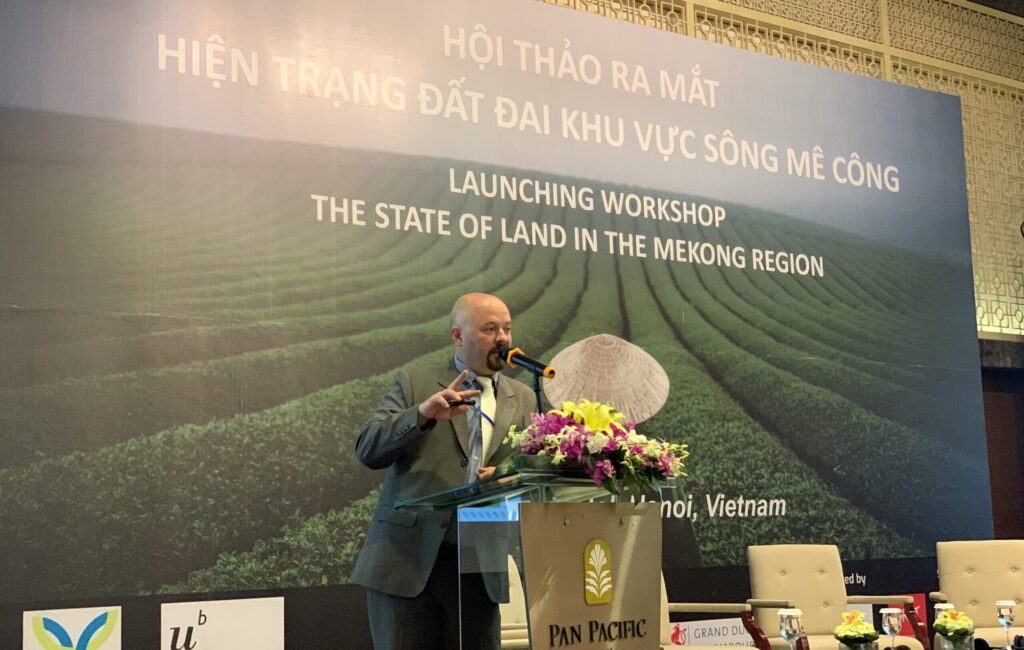
A conversation between Kate Fairlie and our MRLG project Team Leader, Micah Ingalls
The Bokeo Tea cooperative: The ongoing fight for the futures of ethnic communities
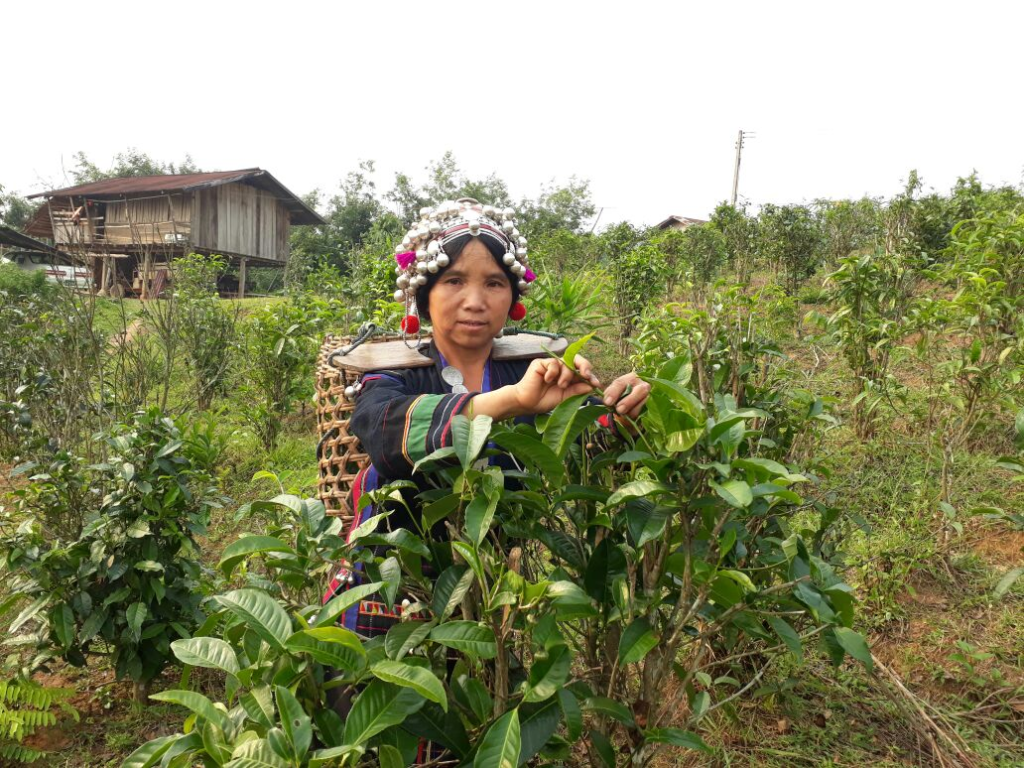
Tucked away in the small and remote mountainous region of Bokeo, Lao PDR, is a hidden gem of un-spoilt biodiversity, an ancient tea tree forest. The Bokeo Tea cooperative is an example of how poor ethnic minority communities with intermediary support are developing their own sustainable business and livelihoods through environmentally friendly methods. Unfortunately, the global pandemic could not have come at a worse time and threatens the emerging small business in the global market.
Rights for Forest Dwellers: Some Answers in the 2017 Vietnam Forestry Law
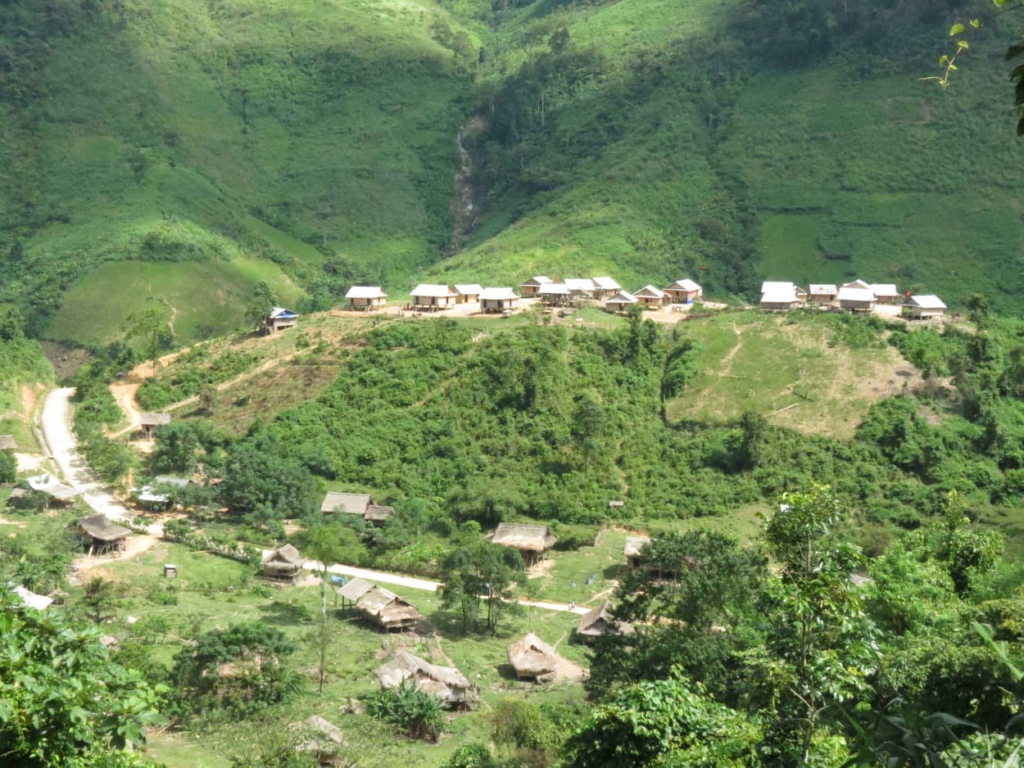
Between 2001-2018, Vietnam lost 25% of its forested area, equivalent to over 2.5 million hectares. A 2004 law sought to focus efforts on reforestation and protection; however, it had major shortcomings that failed to protect both the forests and the communities dependent on them.
Recognising Customary Tenure in Protected Areas – Cambodia
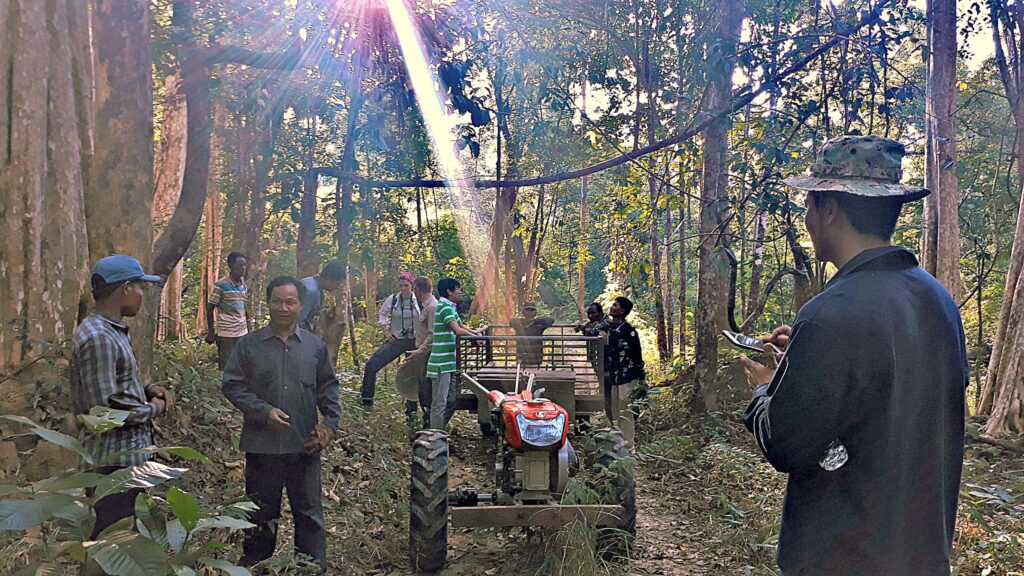
The Mekong Region Land Governance (MRLG) Project with partner organizations in Cambodia will pilot methodology to recognize customary tenure of communities in Protected Areas (PA). The results will be used for the continuing advocacy for the Environmental Code, with the intention of revisions of the Protected Area Law and Forestry Law. A group from the […]
Recognising customary tenure in Cambodia: Workshop aims to increase youth understanding

Indigenous youths in Cambodia were provided an opportunity to discuss the current situation of land tenure insecurity in relation to indigenous peoples (IP). The national Cambodia Indigenous Peoples Organization (CIPO) held a workshop in December 2016 to facilitate information and experience sharing, awareness raising and debate among young people – with the aim being that these young people would come away with a better understanding of contemporary issues faced by IPs.
