
Intern Blog #1: My first Three Weeks at LEI
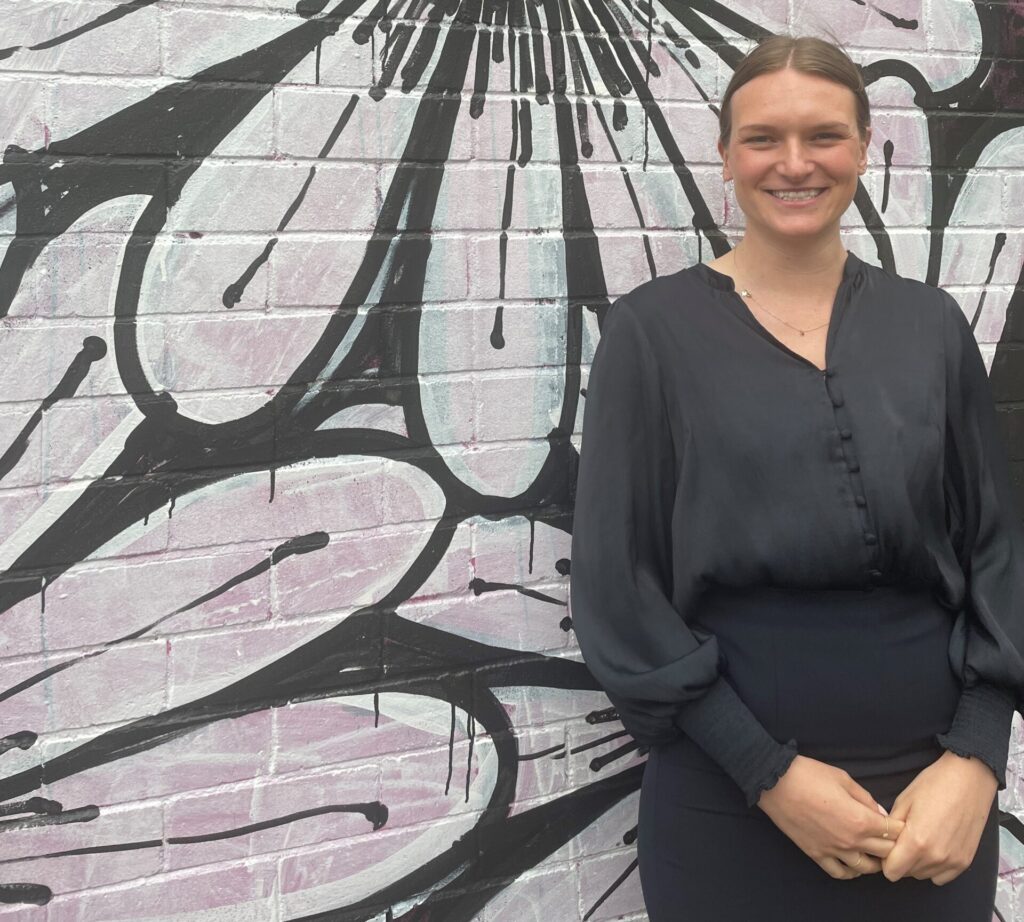
LEI welcomes Madison Durham as our latest Wollongong intern! Madison is in her final year of a Law/Arts degree and was eager to be a part of the work that Land Equity does, having specialised in international law in her degree.
Read on as Madison gives us an update on her experience with LEI so far.
Happy International Women’s Day 2023 from LEI
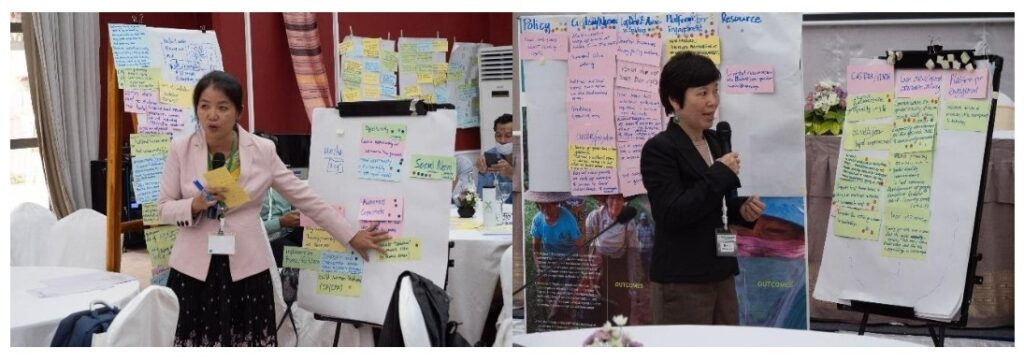
This is a good day to remember that women’s land rights are human rights. Women’s land rights are not about women ‘taking land’ from men.
An update from LEI
As we close out 2022, we reflect on the huge milestones met across our business and through the very successful implementation of our major projects in the Mekong and Indonesia in particular.
LEI Congratulates Papua Province!
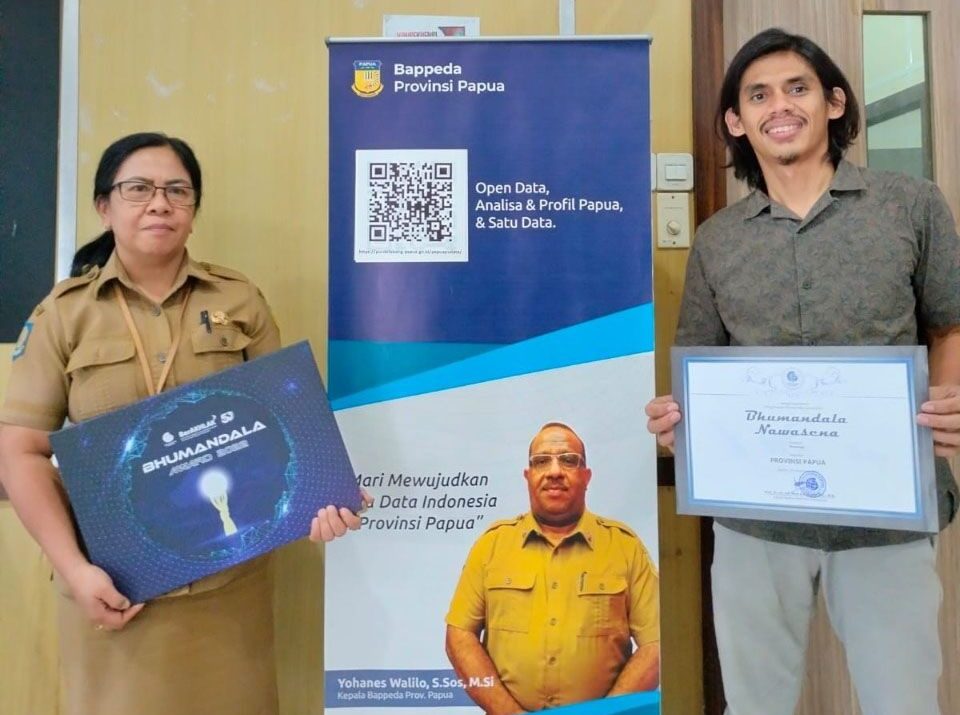
After nearly 3.5 years, the Papua Spatial Planning program is coming to end! We’re so proud of our team’s efforts and successes in providing support to Indonesian national, provincial and district governments to develop ‘green and inclusive’ spatial plans.
Our Land Thoughts – The Land Sector and Australia’s Development Goals
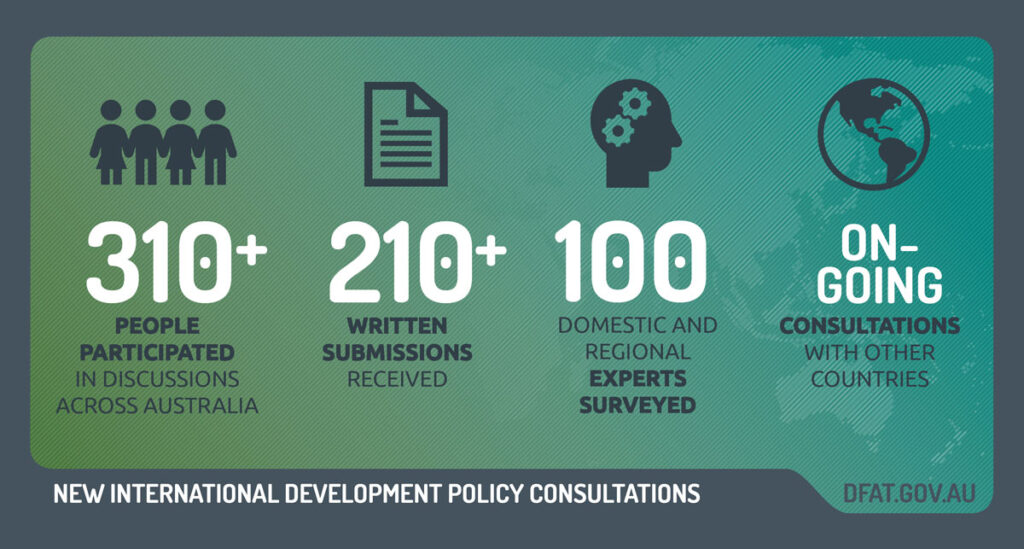
The Australian Government is preparing a new policy to guide international development cooperation, to be released ahead of the 2023-23 Federal Budget (May 2023). Written public submissions to inform the policy were invited, with key guiding questions addressing key trends and challenges, risk and opportunities, lessons from Australia’s past development efforts, and key needs from Australia in the region.
An Update from LEI
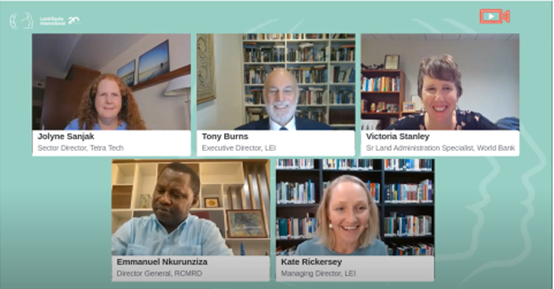
The webinar discussed ideas of shaping land administration design with a better-informed political economy approach. The webinar pre-meetings with each of the panellists leading up to the event along with the research on this topic are incredibly thought provoking. LEI are keen to continue contribute in this space, not only from insights of Tony Burns’ […]
Reflections for the Smarter Designs of Land Administration Reforms Webinar
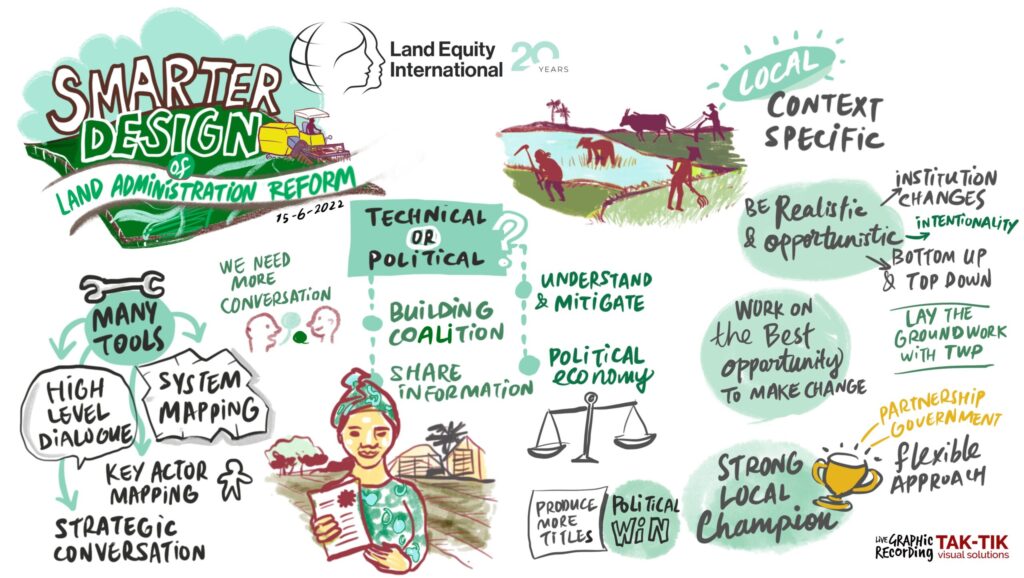
The LEI led webinar for ‘’Smarter Designs of Land Administration Reforms’’ we hope is a starting point for further consideration on drawing on political economy approaches in an economics and technically driven design environment for land reform. The panel acknowledged that while land administration reform interventions often draw on a library of templated best practices; […]
Resilient and Sustainable Food Systems through Transformative Land Investments in Africa and Asia
Large-scale land investments across Africa and Asia have often caused repercussions to food security and supply issues. They have often compromised the livelihoods of smallholder farmers, exacerbated land tenure conflicts and caused environmental degradation. Addressing investment practices – through inclusive business and sustainable agroecology – has the potential to achieve more sustainable food systems and […]
21 years of LEI’s Leadership, Design, Implementation and Monitoring of Land Projects
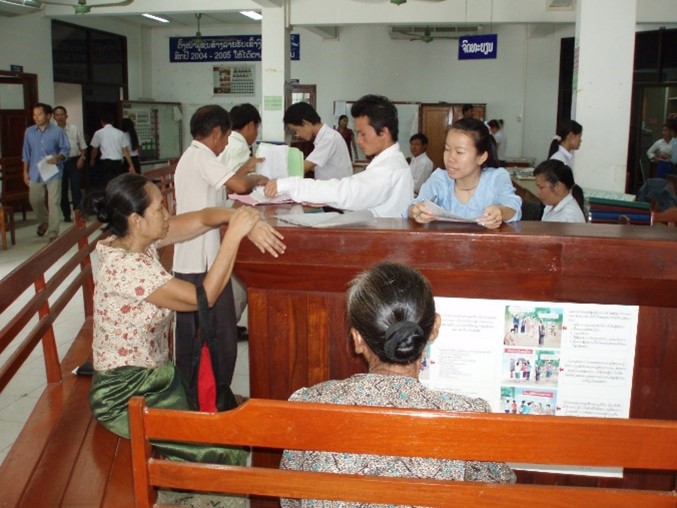
LEI was established in 2001 with a goal of being inspirational in developing outcomes for its clients and stakeholders in the land sector, our motto being “sustainable development from the ground up”. We are proud that LEI has crossed a milestone in our history, celebrating 21 years of operation. We have maintained long relationships in […]
Tenure responsive planning in Nauru
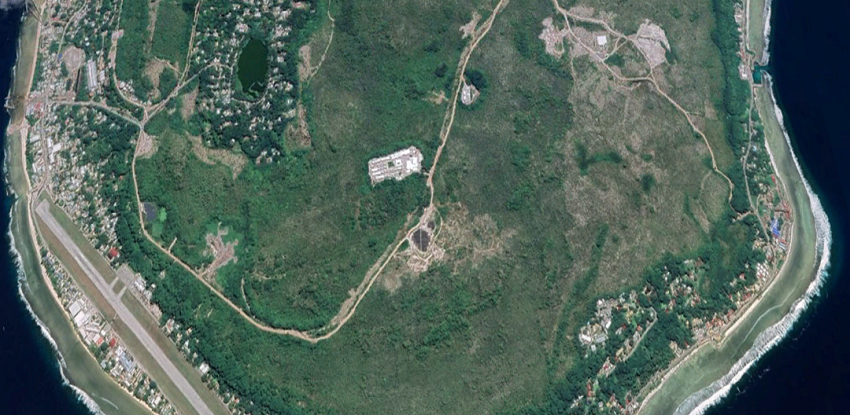
“I forgive you if you have never heard of my country… but you will not forgive yourselves if you ignore our story.” So wrote former President of Nauru, Marcus Stephen, in a New York Times op ed dated 19 July 2011.
