
Supporting liveable climate sensitive cities through integrated urban land management
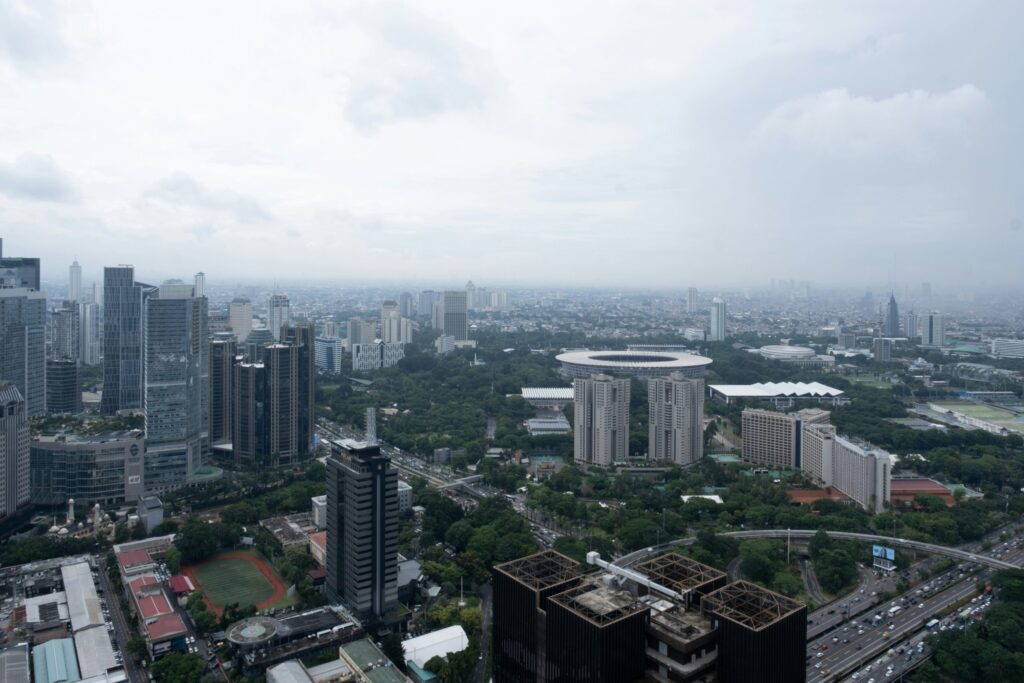
Renée Chartres, our Senior Land and Legal Specialist, shares her thoughts on urban land management and its many linkages with climate and other critical socio-political issues.
Piloting Resilience: Insights from the VARS Project in Vanuatu’s Urban Recovery
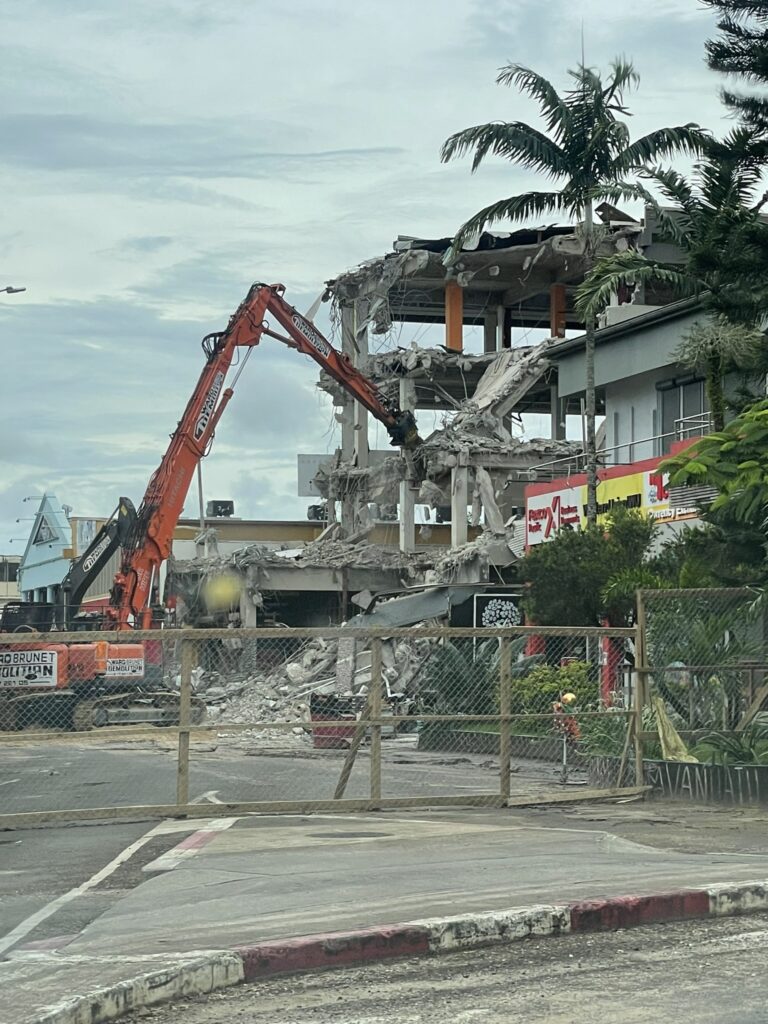
On 17th December 2024 around midday, a 7.3 magnitude earthquake struck just 30 km away from Vanuatu’s capital city of Port Vila. No stranger to disasters, the nation has weathered three major cyclones in 2023 alone. But recovery from this impact has felt a little different. 14 people tragically lost their lives, and an estimated […]
Land is the Link: Climate, Gender, Sustainable Change and the Future of Development
The world of land tenure and administration is also constantly evolving, influenced by political change, climate disruption, and technological evolution. Global official development assistance (ODA) fell in 2024 for the first time in five years, dropping by 7.1% as donor countries shifted their priorities inward and scaled back commitments. Although some countries – like Korea, […]
Building Resilience in Vanuatu: An Interview with Nik Regenvanu on Affordable Housing and Land Development Post-Disaster
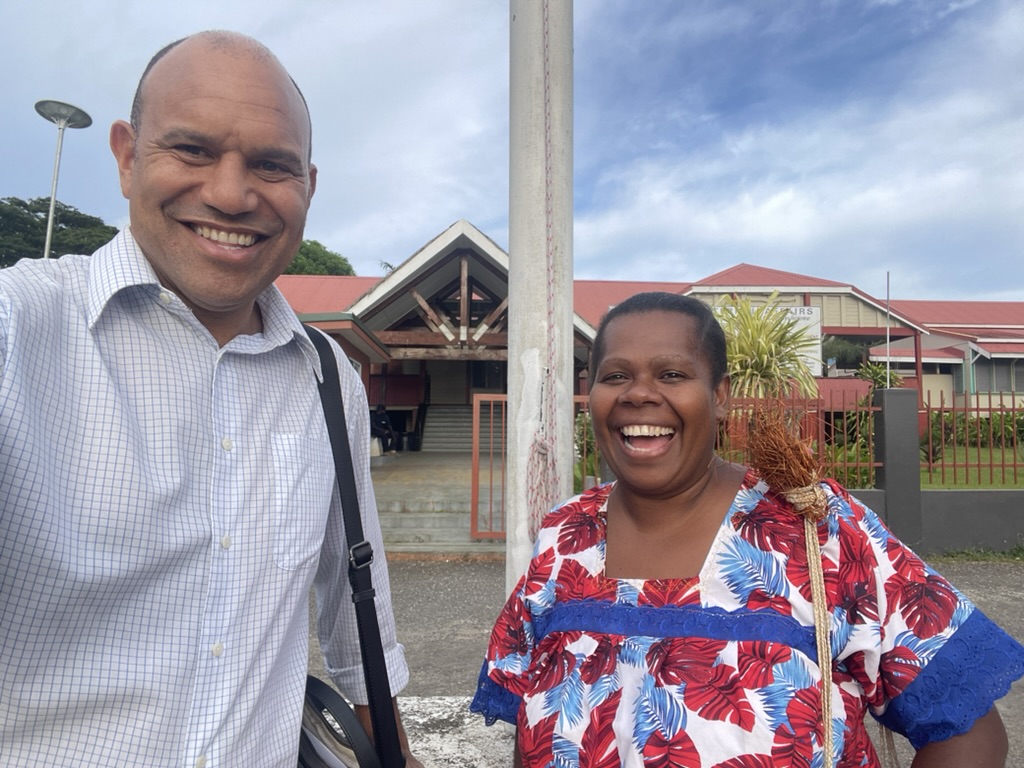
In this interview, Nik Regenvanu, LEI’s Team Leader of the Vanuatu Affordable and Resilient Settlements (VARS) project, shares insights into his work addressing housing and land tenure challenges in Port Vila. With a background in banking, finance, and governance across the Pacific, Nik discusses the progress of the VARS project, its role in tackling affordable housing and secure land tenure, and the impact of the December 2024 earthquake on the region. He highlights the importance of collaborative efforts between the government, private sector, and communities in creating sustainable and resilient settlements for the future. Nik also discusses the critical role of financial institutions in facilitating affordable housing development, the need for long-term resilience planning, and his vision for Vanuatu’s urban growth beyond the immediate recovery efforts. The VARS project, supported by the World Bank and Vanuatu’s government, is seen as a potential model for similar initiatives across the Pacific, contributing to the region’s long-term stability and development.
Our Land Thoughts – Global Land Initiative Roundtable on Gender Issues in Post-Mining Land Restoration
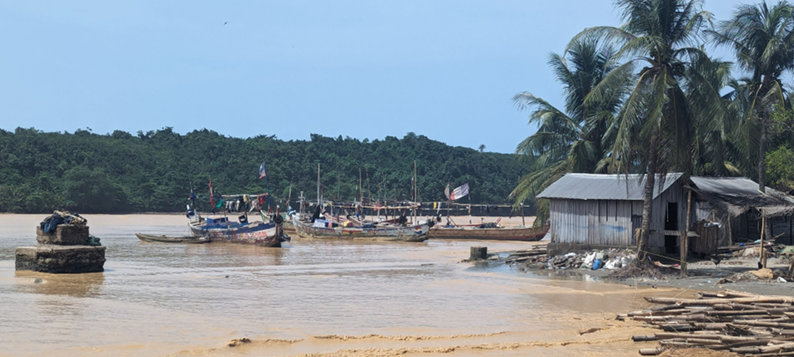
5 billion ha globally are reported to be degraded – UN Global Land Outlook 2022 Global voluntary commitments to restore degraded land by 2030 have reached 1 billion ha – but these will take time. Every dollar invested in restoring degraded lands brings between $7-30 in economic returns $200billion financing flowed to Nature-based services (not […]
An Update from LEI

As the year draws to a close, the LEI team look back with appreciation for the loyalty of all our project teams and consultants and the support of clients and implementing partners. We look forward to a new year of more great work together in 2024.
Featured Project – Spatial planning to reduce deforestation and carbon emissions in Indonesia
Indonesia has a special place in LEI’s company heart, with a nearly 30-year history of partnership between LEI and the Government of Indonesia. The recently closed Papua Spatial Planning (PSP) project has been a particular highlight, undertaken in partnership with Daemeter Consulting and the governments of UK and Indonesia.
Intern Blog #1: My first Three Weeks at LEI
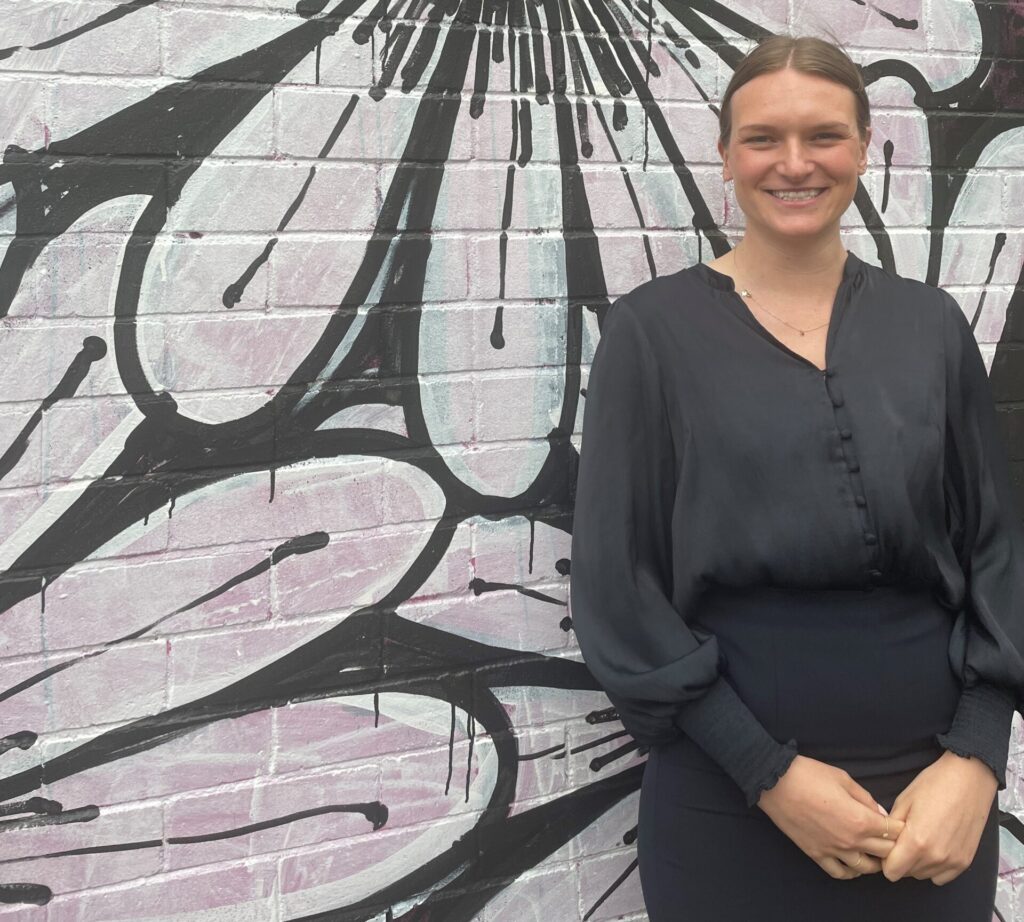
LEI welcomes Madison Durham as our latest Wollongong intern! Madison is in her final year of a Law/Arts degree and was eager to be a part of the work that Land Equity does, having specialised in international law in her degree.
Read on as Madison gives us an update on her experience with LEI so far.
LEI Congratulates Papua Province!
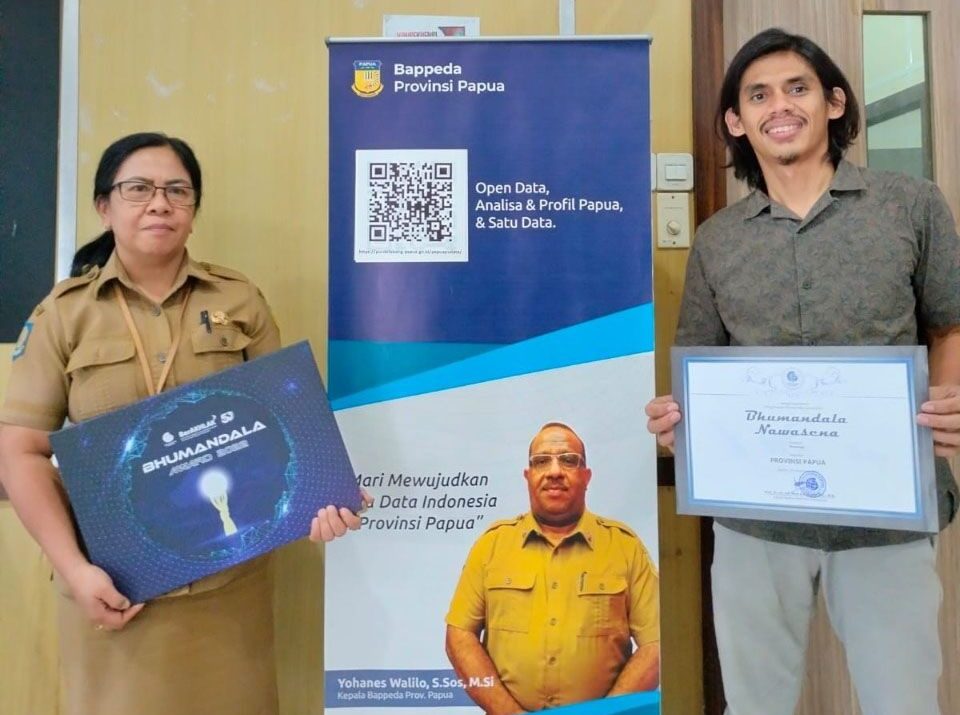
After nearly 3.5 years, the Papua Spatial Planning program is coming to end! We’re so proud of our team’s efforts and successes in providing support to Indonesian national, provincial and district governments to develop ‘green and inclusive’ spatial plans.
Tenure responsive planning in Nauru
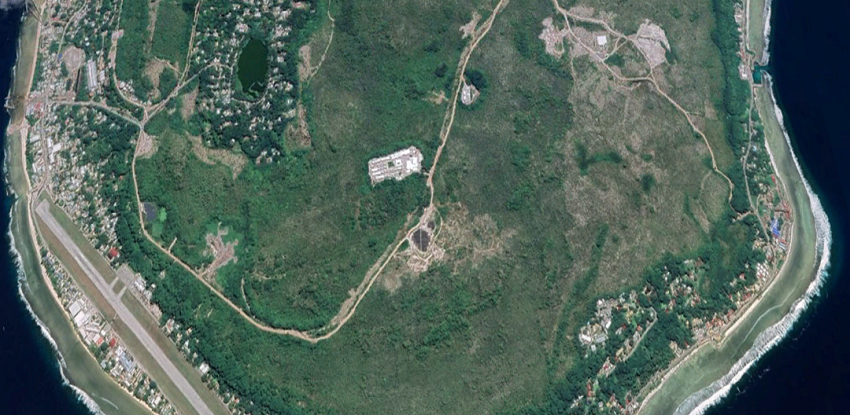
“I forgive you if you have never heard of my country… but you will not forgive yourselves if you ignore our story.” So wrote former President of Nauru, Marcus Stephen, in a New York Times op ed dated 19 July 2011.
