
What does it take for legal recognition of customary land rights to translate into real protection on the ground?
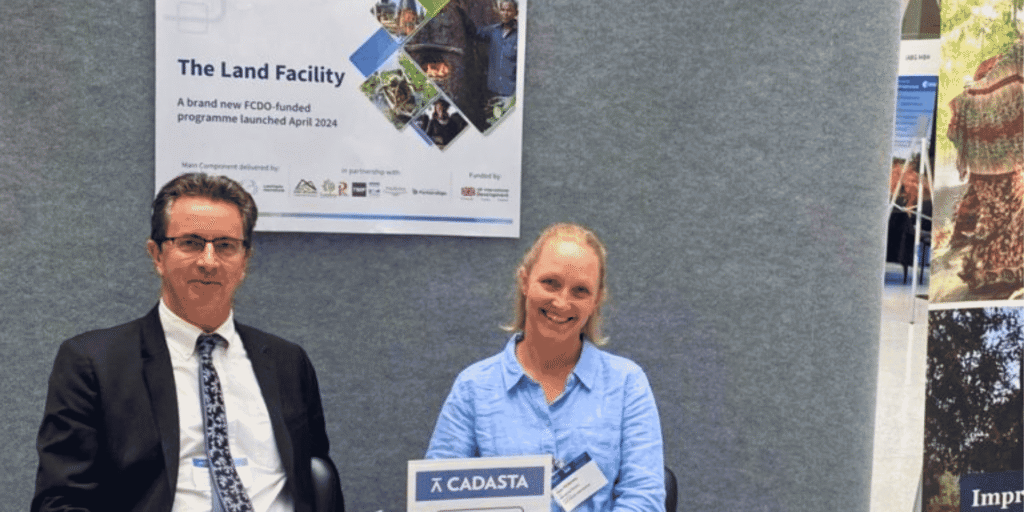
In the latest Ground Rules blog by the team at the Land Portal, the Land Facility Decision Support Unit (DSU) reflects on lessons from Indonesia, drawing on a presentation by Renée Chartres, our Senior Land and Legal Specialist, at the 5th International Land Management Conference (ILM5).
The blog reflects lessons from our work under the Land Facility, led by Project Director Kate Fairlie and Team Leader Imelda Sihombing. It highlights the outcomes of a case study on customary tenure recognition in Kampung Naga, West Java.
In Kampung Naga, formal recognition of customary land management rights improved perceptions of tenure security, but did not clearly improve livelihoods over the 18-month study period. The study showed how outcomes are shaped not only by laws and policy, but also by
- Overlapping mandates,
- Political incentives,
- Infrastructure pressures,
- Legal pluralism, and
- The gap between formal boundaries and customary land use.
It is a useful reminder that recognition alone is not enough. To deliver real benefits, customary tenure reforms must engage with the political economy shaping land governance in practice.