Action Plan to Enhance Mobility of ASEAN Survey Professionals

Project details

Country

Client

Project Timeframe

Key Services

Project Key Information

Enhancing the mobility of surveyors in ASEAN countries.

Project Narrative

In May 2015, LEI commenced the Development of Implementation/Action Plans to Enhance Mobility of ASEAN Professionals on Surveying Services project. The project was funded by the ASEAN-Australia Development Cooperation Program (Phase II) and implemented in cooperation with the ASEAN Secretariat and ASEAN Surveyors Working Group.

The core objective was “to assist ASEAN to transform its existing Mutual Recognition Framework on surveying services, and other relevant initiatives, into a well-functioning mechanism to facilitate mobility of professionals by developing an appropriate roadmap and/or implementation plan”. Although implemented in 2007, little progress had been made implementing the Framework Mutual Recognition Agreement on Surveying Services. This was partly due to the variety inherent to surveying services and the different levels of education access and development across ASEAN Member States.

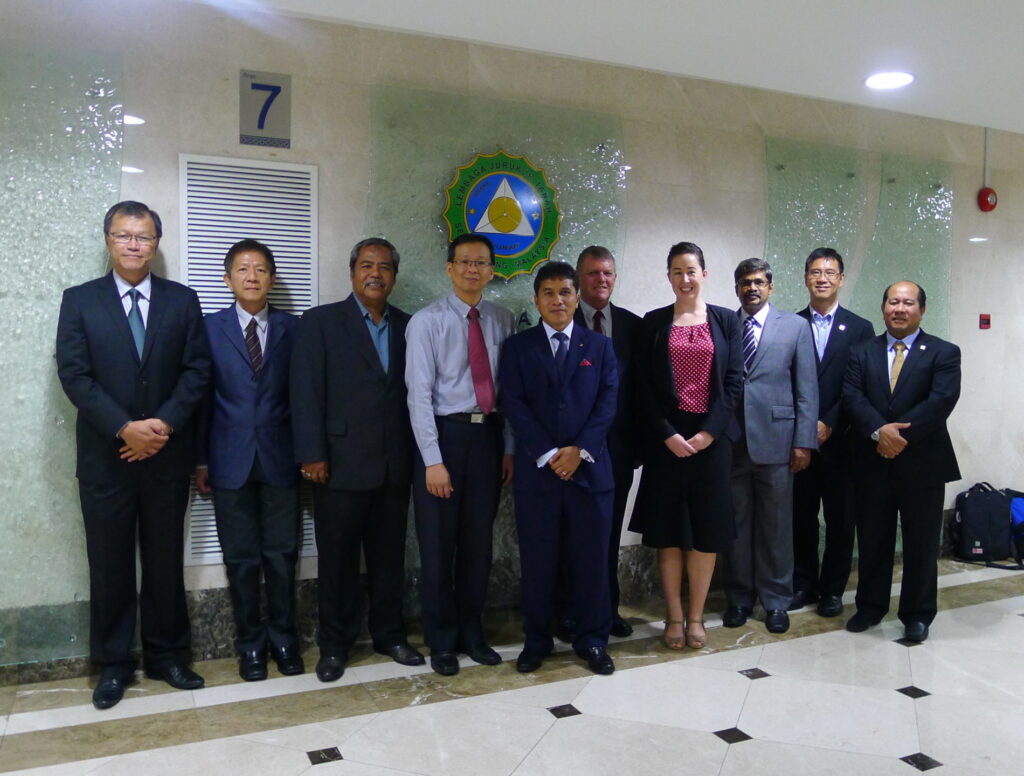
The LEI project team included a core Expert Panel and extensive experience in the region to identify options to support mutual recognition, including the sustainability of the surveying profession to underpin regional development.

Key services provided

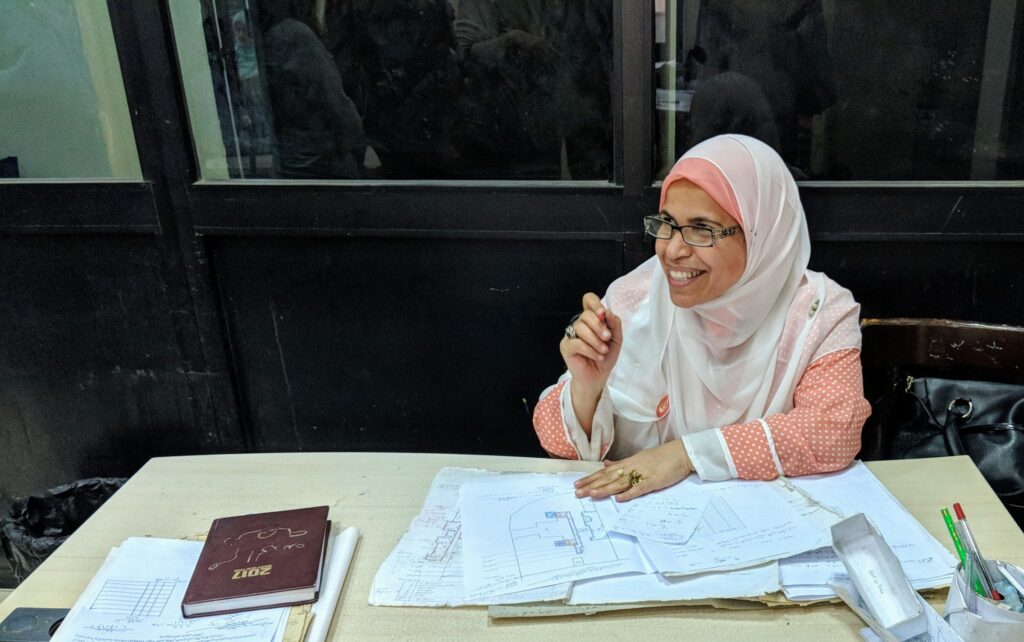
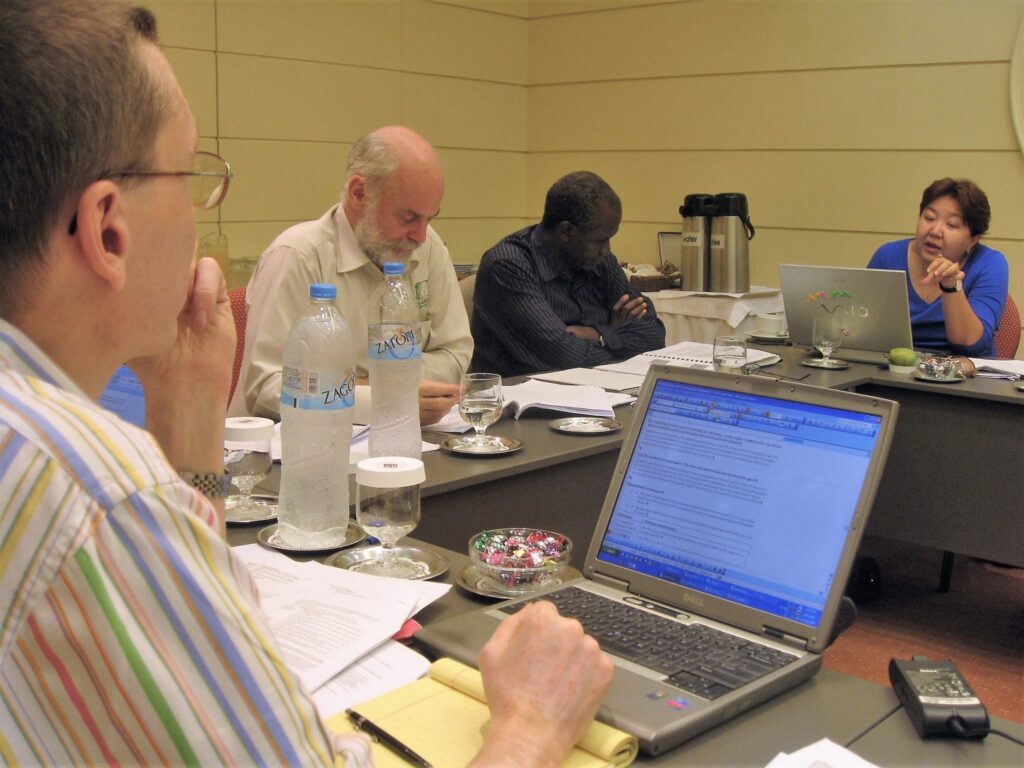
Core activities implemented included in-country visits and meetings in each ASEAN Member State with stakeholders from government, academia and the private sector, and the first Regional Workshop. Together, these activities formed the basis for assessing the current state of mobility of surveying professionals in the ASEAN region and exploring possible formats for eventual mobility.

Key findings reinforced that there are insufficient surveyors to meet the demands of establishing and maintaining the cadastre, as well as other surveying activities in the majority of ASEAN countries. While mobility of surveying services exists, the sustainability of the surveying profession is hampered by the foundational elements of mutual recognition, including information sharing and development of common standards. Countries such as Cambodia, Lao PDR and Myanmar particularly need support for surveying education, continuing professional development and to establish professional associations.

Final steps of the project focused on developing a Roadmap. A draft was discussed at the second Regional Workshop. This workshop then determined the final output for the project. The Roadmap contained detailed activities and outcomes to better understand, document and enhance the education, professional competencies and institutions required to ensure a robust and strong surveying profession that would meet the needs of all ASEAN member states for surveying services into the future.
Related Projects

Digitalization of Nepal’s Land Administration Sector

A well-functioning land administration system is essential for economic stability, social justice, environmental sustainability, and effective governance. Despite significant policy reform efforts by the Government of Nepal, limited capacity has challenged the integration of cadastre and land registry data, systems, and institutions to improve service delivery. For this project, LEI partnered with Kadaster International and RajDevi Engineering Consultants to support the Digitalization of Nepal’s Land Administration Sector.

LEI provided technical assistance for the World Bank and Government of Nepal to support the digitalisation and decentralisation of Nepal’s land administration system, as well as the establishment of an

Global Land Facility Programme

LEI are partnering with lead, Tetra Tech, in the implementation of the Land Facility program, funded by the UK FCDO. The Land Facility (LF) is designed as an offer to partner countries with a UK post, to co-design effective programs of land related reform. It can provide rural, forestry and urban land governance expertise and assistance to support partner governments’ efforts to expand their capacity to plan, manage and implement national land administration policy, legislation and system reforms.

Project Narrative Effective land governance systems are key to economic growth, rural livelihoods, climate change resilience, and women’s rights. Land is a key root cause of conflict, with increasing competition

Vanuatu Land Development, Greater Port Vila Infrastructure, Affordable Housing Vanuatu, Resilient Settlements Development, VARS Project Vanuatu, Land Development Strategy Vanuatu, Housing for Low-Income Earners Vanuatu, Vanuatu Urban Planning, Informal Settlements Upgrading, Flood Mitigation Vanuatu, Vanuatu Land Administration, Greenfield Residential Development, Public-Private Partnerships Vanuatu, Vanuatu Land Policy Advisory, Vanuatu Land Development Legal Services, Community Trusts Vanuatu, Sustainable Urban Growth Vanuatu, Vanuatu Infrastructure Development, Land Subdivision Vanuatu, Vanuatu Government Land Development

Vanuatu Affordable and Resilient Settlements (VARS) Project: Land Development Policy, Legal and Marketing Advisory Services

We contributed to the World Bank’s VARS project (US$25 million) by supporting the efficient and affordable supply of resilient housing in low hazard, peri-urban areas in Greater Port Vila.

Project Narrative The overarching development objectives of VARS are to (i) improve access to and resilience of infrastructure and services in selected new and existing settlements, and (ii) strengthen land

In spirit of reconciliation, Land Equity International acknowledges the Traditional Custodians of country throughout Australia and their connections to land, sea, and community. We pay respects to their Elders past and present and extend that respect to all Aboriginal and Torres Strait Islander people.