Allodial Land Use Registry (ALUR)

Project details

Country

Client

Project Timeframe

Key Services

Project Key Information

The Allodial Land Use Registry is a web platform which stores, processes and provides access to recordings pertaining to allodial land ownership, land use permits and sub-leases of First Nations. The registry is creating potential to facilitate economic independence of many Indigenous peoples’ globally through their allodial lands. [https://alur.world]

Who is creating the Allodial Land Use Registry (ALUR)

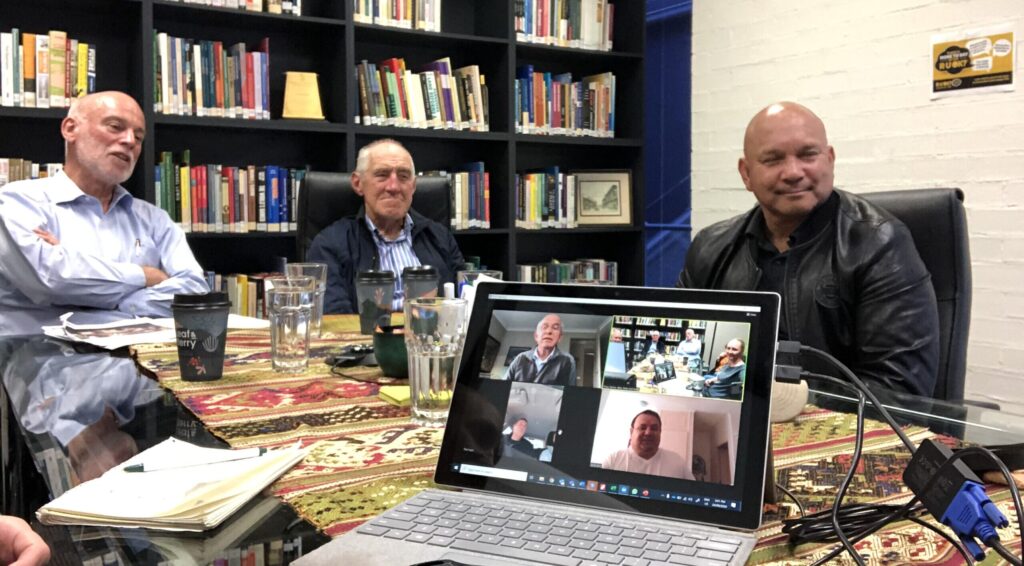
Early in 2020 the Director of Treaty Council and First Nation Gudang-Yadhaykenu clan, Alex Wymarra, approached Land Equity International (LEI) seeking technical assistance for the development of the Allodial Land Use Registry (ALUR), an Indigenous mapping and permit initiative for first nations people on the great southern land. With our extensive history of facilitating equitable access for people to land all around the globe, we felt well placed to assist the Treaty Council of Australia in developing a system for recording land use permits for lands owned by First Nation people. By September 2020, we had a functioning Proof of Concept, and together with the Treaty Council, launched the public domain platform in November 2020. You can read all about the platform and become a registered user:  www.alur.world .

What is ALUR?

The Allodial Land Use Registry (ALUR) is a registry of Allodial Lands. The allodial rights and any agreements to permit the use of allodial lands is certified by the allodial owners through their authorized representatives.

There are two levels of recording of rights in the ALUR. The first is the recording of the perpetual Allodial Ownership of the land owned by the First Nation where a Certificate of Allodial Ownership can be issued. The second level of recording is the Permit system. Allodial Owners grant a Permit over all or part of the land covered by the Allodial Ownership recorded in the registry to a Permit Holder for a period of up to 99 years for a defined use under conditions as set out in a Permit Agreement.

ALUR Technology

The ALUR has been developed using software from the Solutions for Open Land Administration (SOLA) suite of open-source software. More specifically, the web application, “Community Server” for the cloud-based ALUR registry, and as well, “Open Tenure” an application for mobile devices to capture, map and transmit new ALUR recordings to the cloud based ALUR registry. The SOLA software was developed by the Food and Agricultural Organization of the United Nations, as part of its support for the implementation of the Voluntary Guidelines on the Responsible Governance of Tenure for Land, Fisheries and Forests. This software has been adapted by Land Equity International for the purpose of the Allodial Land Use Registry. The SOLA software is based on international best practice for service delivery and complies with the Land Administration Domain Model (ISO 19152). SOLA software is designed to be adapted to meet different country’s (and communities within countries) tenure arrangements including those of indigenous communities.
Related Projects

Digitalization of Nepal’s Land Administration Sector

A well-functioning land administration system is essential for economic stability, social justice, environmental sustainability, and effective governance. Despite significant policy reform efforts by the Government of Nepal, limited capacity has challenged the integration of cadastre and land registry data, systems, and institutions to improve service delivery. For this project, LEI partnered with Kadaster International and RajDevi Engineering Consultants to support the Digitalization of Nepal’s Land Administration Sector.

LEI provided technical assistance for the World Bank and Government of Nepal to support the digitalisation and decentralisation of Nepal’s land administration system, as well as the establishment of an

Global Land Facility Programme

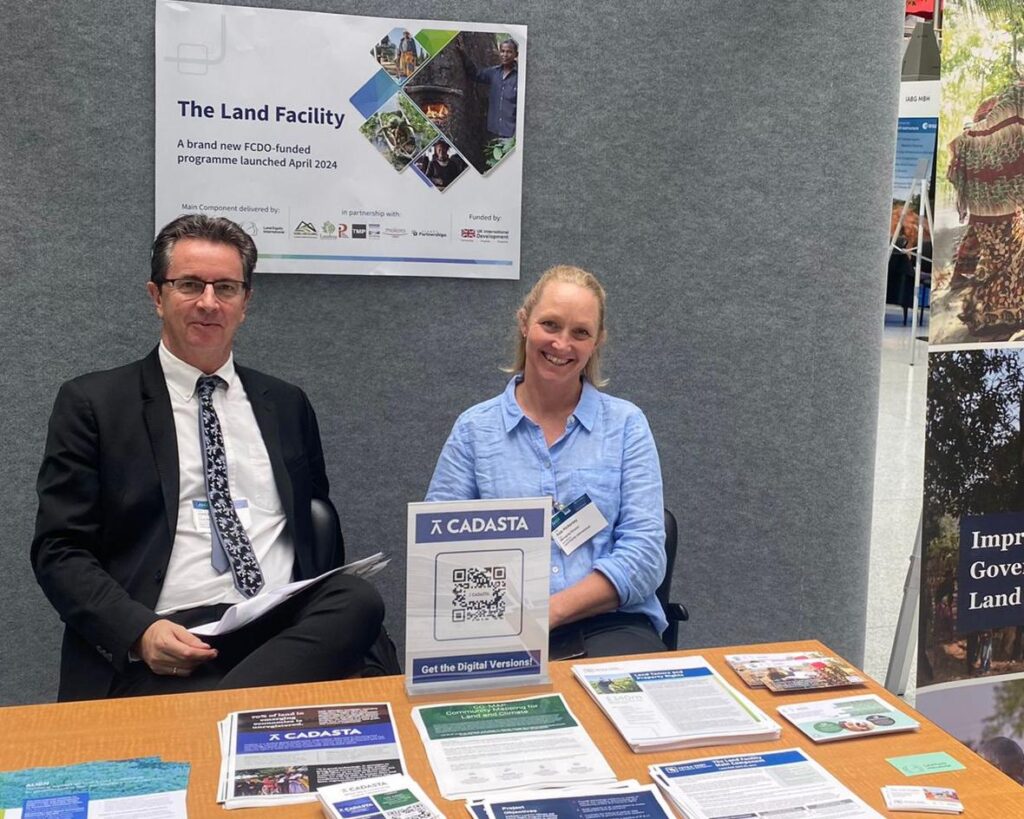
LEI are partnering with lead, Tetra Tech, in the implementation of the Land Facility program, funded by the UK FCDO. The Land Facility (LF) is designed as an offer to partner countries with a UK post, to co-design effective programs of land related reform. It can provide rural, forestry and urban land governance expertise and assistance to support partner governments’ efforts to expand their capacity to plan, manage and implement national land administration policy, legislation and system reforms.

Project Narrative Effective land governance systems are key to economic growth, rural livelihoods, climate change resilience, and women’s rights. Land is a key root cause of conflict, with increasing competition

Vanuatu Land Development, Greater Port Vila Infrastructure, Affordable Housing Vanuatu, Resilient Settlements Development, VARS Project Vanuatu, Land Development Strategy Vanuatu, Housing for Low-Income Earners Vanuatu, Vanuatu Urban Planning, Informal Settlements Upgrading, Flood Mitigation Vanuatu, Vanuatu Land Administration, Greenfield Residential Development, Public-Private Partnerships Vanuatu, Vanuatu Land Policy Advisory, Vanuatu Land Development Legal Services, Community Trusts Vanuatu, Sustainable Urban Growth Vanuatu, Vanuatu Infrastructure Development, Land Subdivision Vanuatu, Vanuatu Government Land Development

Vanuatu Affordable and Resilient Settlements (VARS) Project: Land Development Policy, Legal and Marketing Advisory Services

We contributed to the World Bank’s VARS project (US$25 million) by supporting the efficient and affordable supply of resilient housing in low hazard, peri-urban areas in Great Port Vila.

Project Narrative The overarching development objectives of VARS are to (i) improve access to and resilience of infrastructure and services in selected new and existing settlements, and (ii) strengthen land

In spirit of reconciliation, Land Equity International acknowledges the Traditional Custodians of country throughout Australia and their connections to land, sea, and community. We pay respects to their Elders past and present and extend that respect to all Aboriginal and Torres Strait Islander people.